
Most cracks and blemishes on plaster walls are harmless, resulting from seasonal changes or the natural settling of a house. However, a few signs can signal underlying problems like damp or movement that need a professional diagnosis. Understanding the difference is key to a lasting repair.
In Bristol, the housing stock ranges from solid-wall Victorian terraces in areas like Bedminster and Easton to modern cavity-wall homes. This variety means plaster problems have different causes and require different solutions. Knowing what to look for helps you decide on the right course of action.
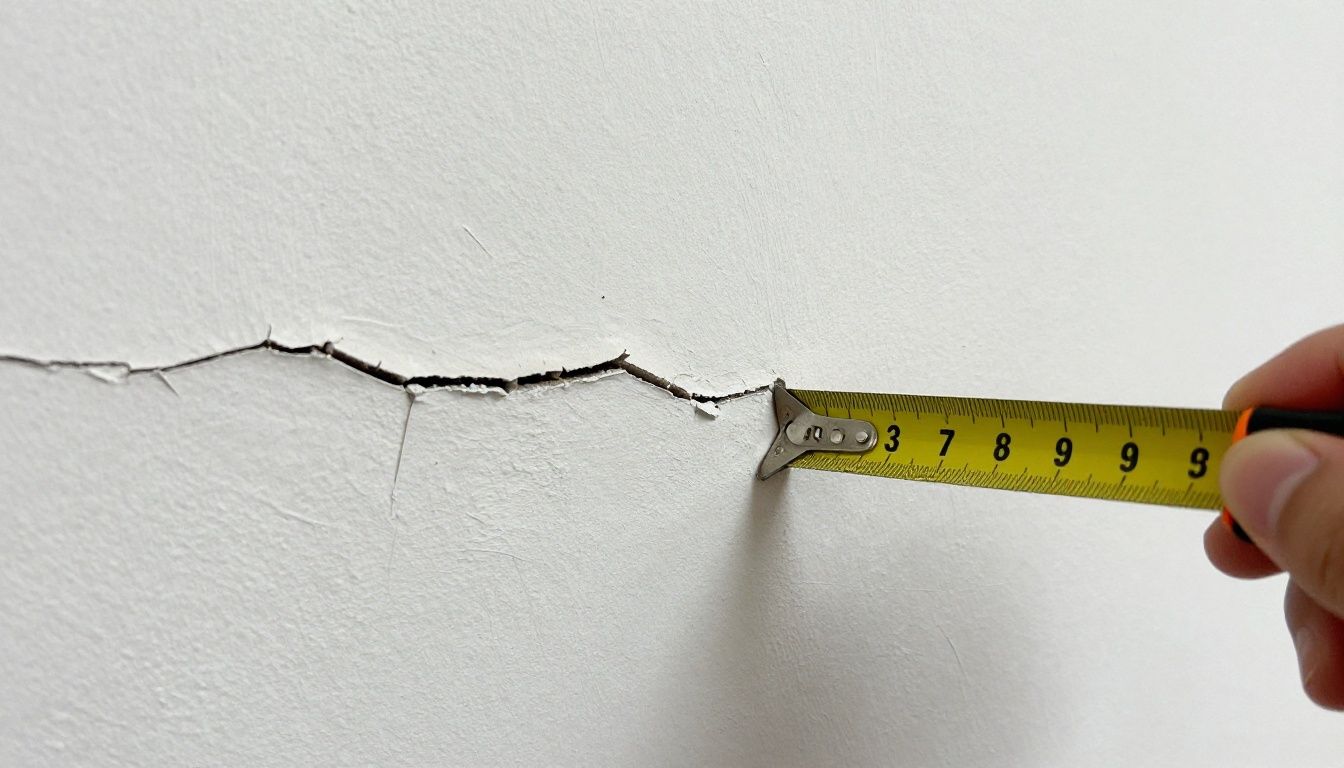
How to Read a Crack: Cosmetic or Concerning?
The size and location of a crack are the best initial clues to its cause. Before you worry, measure the crack’s width at its widest point. Gents Plastering can assess any concerning cracks during a free site visit.
Crack Width | What It Likely Means | What To Do |
|---|---|---|
Under 1mm | Hairline or shrinkage crack. | Usually cosmetic. Fill with flexible filler and redecorate. |
1-3mm | Minor settlement or seasonal movement. | Monitor to see if it grows. Can often be filled. |
3-5mm | May indicate more significant movement. | Professional assessment is recommended. |
Over 5mm | Suggests potential structural issues, especially if jagged. | Needs urgent investigation by a professional. |
Common Plastering Problems in Bristol Properties
These are the most frequent issues we see in homes across Bristol, from Clifton to Cotham.
Hairline Cracks and Crazing
Hairline cracks are most often caused by the shrinkage of new plaster as it dries or by minor seasonal movement of the building. Crazing, a fine network of ‘map’ cracks, typically occurs if a new plaster skim coat dries out too quickly. These are almost always cosmetic and can be fixed by applying a flexible filler before painting.
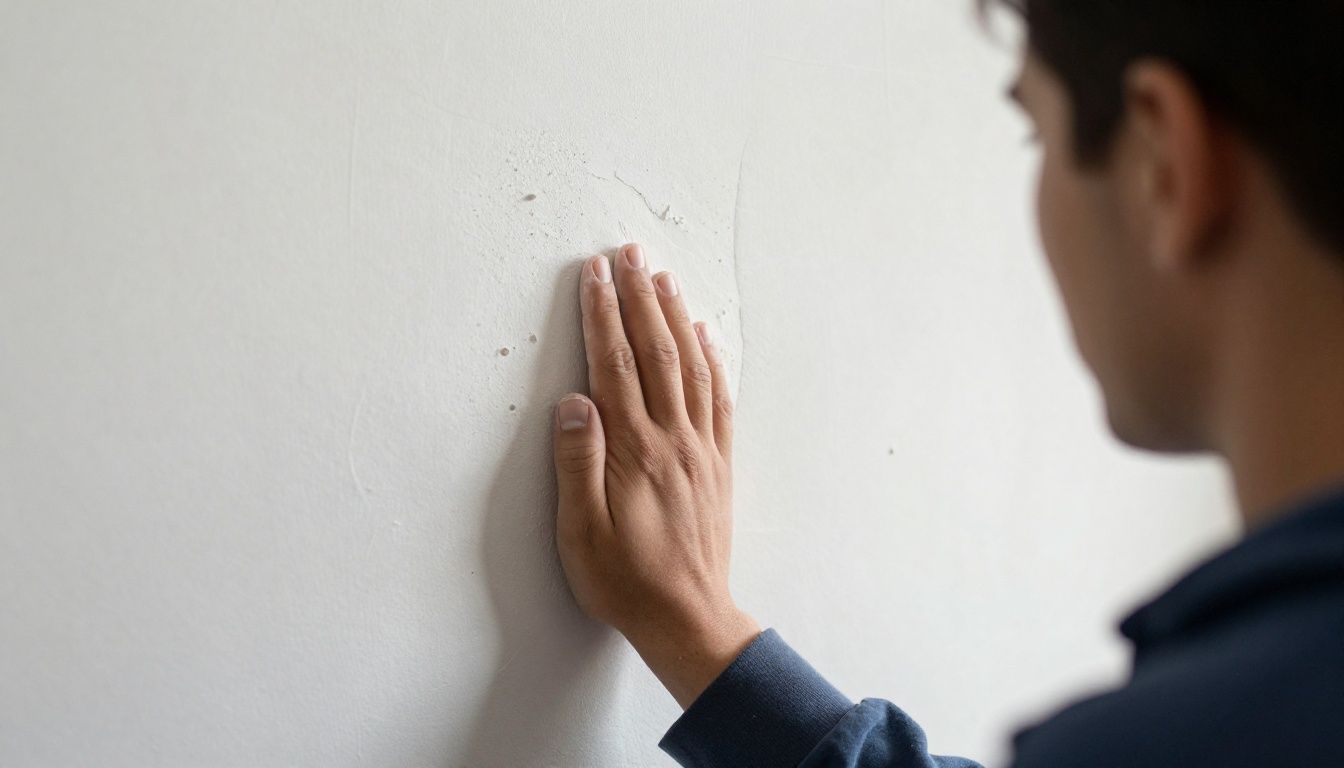
Blown or Hollow Plaster
This happens when plaster loses its bond with the wall behind it, often due to underlying damp or a failure of the original bonding agent. You can identify it by tapping the wall with your knuckles; it will produce a distinct hollow sound. This requires a professional to remove the failed plaster, fix the underlying cause, and then replaster.
Cracking on Lime Plaster in Period Properties
Bristol’s many Georgian and Victorian homes in areas like Redland have solid walls built with lime plaster, which is designed to breathe and flex. Using modern gypsum or cement for repairs traps moisture and causes cracks as the incompatible materials move differently. This problem needs a specialist with experience in traditional lime plastering to ensure a breathable, lasting repair.
Cracks Above Doors and Windows
Diagonal cracks often appear at the corners of doors and windows, which are natural stress points in a wall. They are usually caused by minor settlement or the different rates of thermal expansion between the wall and the lintel above the opening. While often cosmetic, cracks wider than 3mm should be assessed by a professional.
Damp Patches and Staining
A damp patch or stain on your plaster is a symptom, not the problem itself. The source could be a leaking pipe, penetrating damp from outside, or rising damp from the ground. The plaster may feel soft or show white, salt-like crystals. The source of moisture must be found and fixed before any plaster repair is attempted.
Why Bristol Properties Are Prone to These Issues
Bristol’s geology, with its clay-influenced ground, can contribute to seasonal ground movement and minor settlement cracks. The city’s diverse housing stock is also a major factor. Pre-1919 solid-wall terraces in Clifton and Bedminster require breathable lime-based materials, whereas modern cavity-wall homes use hard gypsum plaster. Applying the wrong type of plaster for the property is a common cause of recurring problems.
What You Can Fix Yourself vs When to Call a Professional
Small hairline cracks under 1mm and minor nail pops are generally DIY-friendly; use a flexible filler before redecorating. However, you should always call a professional for plaster that sounds hollow, shows any signs of damp, has cracks wider than 3mm, or is on a traditional lime or lath-and-plaster wall. A correct diagnosis is essential for a proper repair.
Getting It Properly Diagnosed in Bristol
A lasting repair starts with identifying the root cause. Gents Plastering offers a free site visit to diagnose the issue accurately before providing a fixed-price quote. This approach ensures you don’t waste money on superficial fixes that fail over time, which is especially important when dealing with potential damp or movement.
Frequently Asked Questions
Why does the same crack keep coming back after I fill it?
This usually happens when a rigid filler is used on a crack caused by movement, or if the underlying issue like damp hasn’t been resolved. The repair needs to be flexible or the root cause fixed.
How do I know if my plaster is blown?
Gently tap the area with your knuckles. If it produces a hollow, papery sound compared to the solid wall around it, the plaster is ‘blown’ and has detached from the wall.
Is cracking normal in an older Bristol property?
Yes, minor hairline cracking is very common in Bristol’s pre-1919 solid-wall homes due to seasonal movement. These usually aren’t a cause for concern.
Should I paint over a crack before filling it?
No, always fill the crack first with a suitable filler and allow it to dry completely. Once it’s sanded smooth, you can then apply your mist coat and final paint layers.
Can Gents Plastering tell me what’s causing my cracks?
Yes. We offer a free, no-obligation site visit in Bristol to diagnose the cause of your plastering issues and provide an honest assessment and a fixed-price quote for the correct repair.