So, you’ve noticed some cracks in your plaster walls? It happens. Honestly, most of the time, it’s not a big deal. Think of it like your house getting a little older and stretching a bit. But sometimes, those cracks can be a sign that something more serious is going on underneath. We’re going to break down why plaster cracks, what the common culprits are, and most importantly, when you should actually start to worry about it. Let’s figure out why does plaster crack and what to do about it.
Key Takeaways
- Plaster cracks are often caused by normal drying and shrinking, especially in new homes or after renovations, as the building settles over a year or two.
- Changes in temperature and humidity cause plaster to expand and contract, leading to hairline cracks that can grow over time.
- Minor cracks are usually cosmetic and can be fixed with patching and painting, but large or deep cracks might signal structural issues.
- Poor plaster application, like improper mixing or uneven thickness, and issues with the underlying surface (lath) can also lead to cracks.
- Watch out for patterns like diagonal lines, sagging sections, or cracks that don’t follow natural lines, as these could indicate serious problems requiring professional attention.
What Our Bristol Callbacks Actually Show
Most guides list the same causes of plaster cracking — shrinkage, thermal movement, moisture, poor prep. What they don’t tell you is which one is actually causing your crack. Across roughly 70-80 plaster cracking callbacks we’ve attended in Bristol and Bath, the split looks like this:
- 55% were caused by the heating being turned on too soon or too high after new plastering — the surface dried unevenly, skinned over before moisture could escape, and fine cracks appeared within days. Almost always cosmetic, almost always avoidable.
- 25% were natural shrinkage cracks from the plaster drying too fast in warm or draughty conditions — similar to heating, but caused by the environment rather than the homeowner’s actions. Usually cosmetic.
- 20% were caused by substrate movement — the plasterboard flexing, a timber stud shifting, or an underlying crack in the wall reopening through the new skim. These are the ones that need investigation before filling.
The single most useful thing you can do before calling anyone is look at the crack pattern — it tells you which category you’re likely in.
How to Read Your Crack Pattern
The shape and location of a crack tells you more than its width alone:
- Fine network of cracks spread across the whole surface — almost always heating or rapid drying. The whole surface dried unevenly. Usually cosmetic; fill with flexible filler after full cure (4 weeks minimum) before decorating.
- Cracks following trowel lines or appearing at edges and corners first — draught-accelerated drying. Same cause as above, different pattern. Usually cosmetic.
- Diagonal cracks from the corners of doors or windows, or cracks running along plasterboard joints — substrate movement. The crack is following the weakest point in the wall. Fill with scrim tape and flexible filler; if it reappears after filling, get it assessed before decorating over it.
- Cracks appearing within hours of the plaster being applied, with a crumbly or soft feel — wrong mix or contaminated substrate. Rare, but these need replastering rather than filling.
The 5mm width rule most guides give you is less useful than the pattern — a 1mm diagonal crack from a window corner tells you more than a 3mm shrinkage crack across a flat wall. For cracks that appear specifically during the first 48-72 hours of drying, see our guide on
plaster cracking when drying.
What We Tell Every Customer After a New Skim
If you’ve just had plastering done and you’re seeing cracks appear, the most common cause is controllable. We leave every customer with three rules:
- No heating above 15-16°C for the first 5-7 days — full heating within days of a new skim is the single most common cause of cracking we see on callbacks.
- Windows slightly open, not wide — gentle airflow, not a draught. Both extremes (too airtight and too draughty) cause the same uneven drying problem.
- No dehumidifiers or fan heaters pointed at the wall — these pull moisture out of the plaster too fast and cause the same surface-skinning issue as turning the heating up.
If you see cracks appearing during the first week, resist the urge to fill them immediately. Wait until the plaster is fully white and cured (3-4 weeks minimum). Fine hairline cracks often close slightly as the plaster reaches equilibrium moisture content. Then fill with a flexible filler before your mist coat. For more on what’s normal and what isn’t during new plasterwork, see our guide on
why is my new plaster cracking.
Understanding Why Plaster Cracks
Plaster cracks, while often a source of homeowner anxiety, are a pretty common occurrence. Think of plaster as a living material; it reacts to its environment and the stresses placed upon it.
Most of the time, these cracks are just a sign of the building settling or the plaster doing its thing as it dries. But understanding the ‘why’ behind them can help you figure out if it’s just a cosmetic hiccup or something more serious.
The Role Of Drying And Shrinkage
When plaster is first applied, it’s wet. As it dries out, it loses moisture and, consequently, shrinks a bit. This natural process is called dry shrinkage. It’s a bit like how mud dries and cracks in the sun. This shrinkage can cause small, fine lines to appear on the surface. These are usually harmless and are often called
hairline cracks. They’re most common in new plasterwork or after recent repairs. The key here is that the plaster is just adjusting to losing water.
Environmental Factors Causing Cracks
Our homes are constantly dealing with changes in temperature and humidity. Plaster, being somewhat porous, absorbs and releases moisture. When it gets humid, plaster can swell slightly, making cracks look smaller. When it dries out, it shrinks back, and those cracks can become more noticeable again. This constant expansion and contraction, especially with fluctuating indoor humidity levels, puts stress on the plaster. Heating and cooling systems help stabilize this, but seasonal changes can still play a role. Even vibrations from nearby traffic or construction can contribute to plaster movement and cracking.
Structural Movement And Settling
Sometimes, cracks aren’t just about the plaster itself but about what’s happening underneath. Buildings naturally settle over time, especially new ones or those with additions. This settling can cause the underlying structure to shift slightly. As the structure moves, the rigid plaster on the surface can’t flex with it, leading to cracks. These cracks might follow specific patterns, like horizontal lines or cracks that run across corners. If you notice cracks that seem to be getting wider or are accompanied by other signs of movement, it might point to issues with the building’s foundation or
structural integrity. It’s these types of cracks that warrant a closer look.
Common Causes Of Plaster Cracks
So, you’ve noticed some cracks in your plaster walls. It happens, right? Most of the time, it’s nothing to lose sleep over. But understanding
why they show up can help you figure out if it’s just a cosmetic oopsie or something that needs a closer look. Let’s break down the usual suspects.
Dry Shrinkage and Moisture Loss
This is probably the most common reason you’ll see little lines appear. When plaster is first applied, it’s wet. As it dries out and cures, it loses moisture. Think of it like a sponge drying out – it shrinks a bit. This natural shrinkage can cause the plaster to pull away from itself, creating those fine, hairline cracks. They’re usually pretty harmless and just a sign that the plaster has done its job and hardened up. If you’ve had new plasterwork done, expect to see some of these as it settles in.
Expansion and Contraction Cycles
Buildings, and the materials they’re made of, don’t stay the same size all the time. Temperature and humidity play a big role here. When it gets warmer or more humid, materials tend to expand a little. When it gets cooler or drier, they contract. Plaster and the wall behind it might expand and contract at different rates. Over time, these constant little movements can stress the plaster, leading to cracks. This is especially true if you have big swings in temperature, like when you turn your heating on and off, or during those in-between seasons when humidity can be all over the place. Keeping a steady indoor climate can really help
reduce this type of cracking.
Improper Mixing and Application
Sometimes, the problem starts right at the beginning, with how the plaster was made and put on the wall. If the plaster mix isn’t quite right – maybe too much water, or not mixed evenly – it can lead to weak spots. These weak areas might dry differently or not harden properly. Similarly, if the plaster is applied too thick in some spots or not smoothed out well, it can create uneven drying and stress points. An inexperienced hand might not get the consistency just right, leading to issues down the line. It’s like baking a cake; if your ingredients aren’t measured correctly, the final product might not turn out as expected. For repairs, using the right filler is key; things like silicone or spackle just won’t behave like plaster and can cause their own problems with shrinkage
if applied too heavily.
The surface underneath the plaster also matters a lot. If the wall wasn’t prepped right, or if the lath (that’s the backing material) is loose or damaged, the plaster won’t have a solid base to stick to. This poor adhesion means the plaster can start to pull away, and guess what? Cracks appear.
Here’s a quick rundown of what can go wrong:
- Uneven Drying: Plaster dries too fast due to drafts or heat.
- Poor Adhesion: Plaster doesn’t stick well to the wall behind it.
- Inconsistent Mix: The plaster itself has weak or soft spots.
- Substrate Issues: The wall or lath beneath is unstable or moving.
When To Worry About Plaster Cracks
Look, most of the time, a little crack in your plaster is just a cosmetic thing. It happens. Houses settle, materials expand and contract with the weather, and plaster dries out. It’s pretty normal, especially in older homes. But sometimes, those cracks are trying to tell you something more serious is going on. It’s about knowing when to pay attention and when to just grab some spackle.
Identifying Serious Crack Patterns
Not all cracks are created equal. A tiny, hairline crack that runs straight across a wall might just be from drying. But if you start seeing cracks that are wider than a dime, or if they seem to be getting bigger day by day, that’s a different story. Pay attention to the pattern, too. Are they zig-zagging? Do they run horizontally or vertically in a way that seems unnatural?
A crack that’s wider than 5mm (about 1/4 inch) often needs a closer look.
Here’s a quick rundown of what to watch for:
- Width: Hairline cracks are usually fine. Anything over 5mm starts to raise a flag.
- Depth: Can you see through the crack? If it goes deep into the wall, that’s more concerning.
- Pattern: Are they isolated, or are they part of a larger network of cracks? Are they following the lines of the plaster or the lath underneath?
- Progression: Are they staying the same, or are they visibly growing?
Signs Of Substrate Failure
Sometimes, the plaster itself is fine, but the stuff behind it – the lath or the wall structure – is having problems. This is where things can get more serious. If you see cracks that seem to be following the lines of the lath (those wooden strips behind the plaster), or if you notice sagging sections of the ceiling or wall, it could mean the underlying support is failing. This is especially true if you have an older home where materials might have degraded over time. A stable substrate is key to
plaster longevity. If you’re also hearing a hollow sound when you tap the wall, see our guide on
how to fix loose or hollow plaster.
If the plaster is cracking because the wall structure behind it is moving or weakening, you’ve got a bigger issue than just a cosmetic flaw. This could be related to foundation problems, water damage affecting the wood framing, or even issues with how the house was originally built.
When To Call A Professional
So, when is it time to stop worrying yourself and call in someone who knows plaster? If you see any of the following, it’s probably best to get an expert opinion:
- Cracks that are wider than 5mm and seem to be getting worse.
- Multiple cracks appearing in different areas of the house simultaneously.
- Cracks accompanied by signs of water damage, like staining or damp spots.
- Any cracks that make you feel uneasy about the structural integrity of your home.
Don’t hesitate to get a professional assessment if you’re unsure. It’s better to be safe than sorry when it comes to the stability of your home, and they can help determine if you’re dealing with
foundation issues or something else entirely.
Factors Contributing To Plaster Cracking
So, why does plaster decide to throw a tantrum and crack? It’s not usually just one thing, but a mix of factors that can lead to those unsightly lines. Think of plaster as a bit sensitive; it reacts to its environment and how it was put up in the first place.
Substrate Stability And Adhesion
First off, what’s underneath the plaster matters. Plaster needs a solid, well-attached surface to stick to. If the lath (that’s the backing, usually wood or metal) isn’t secured properly, or if the wall itself is shifting, the plaster can’t help but crack. It’s like trying to paint a wobbly table – the paint will eventually crack as the table moves. Poor adhesion, maybe from not prepping the surface right or using the wrong stuff, is a big culprit here. If the plaster can’t grip the wall, it’s only a matter of time before it starts to separate and show cracks. This is a common issue, especially in older homes where settling is a natural part of
building settling.
Building Material Degradation
Sometimes, the materials themselves just give up the ghost. Moisture is a huge enemy of plaster and the stuff behind it. Leaks from roofs, windows, or pipes can rot the wooden lath or framing. As the structure weakens or shifts, the plaster above it will crack, flake, or even fall off. Even without obvious leaks, constant changes in humidity can make wood swell and contract, putting stress on the brittle plaster. In colder climates, moisture trapped in the plaster can freeze and expand, causing internal damage. This kind of degradation means the plaster is losing its support system.
External Vibrations And Stress
It’s not always about what’s happening inside the walls. Things happening
outside can cause trouble too. Living on a busy road? All those trucks rumbling by can cause vibrations that shake your house, and eventually, the plaster. Even seemingly minor changes, like upgrading old windows to modern uPVC ones without proper support, can stress the surrounding plaster. If you’ve got construction work going on nearby, the hammering and heavy machinery can send vibrations through your home, potentially loosening plaster. It’s a bit like how a constant tremor can eventually crack a delicate vase.
- Vibrations from traffic: Constant shaking from nearby roads.
- Construction noise: Heavy machinery and demolition work.
- Renovations: Even work in adjacent rooms can cause stress.
- Settling: Natural movement of the building over time.
Plaster is a rigid material, and while it can handle some minor movement, significant or prolonged stress from vibrations or structural shifts will eventually lead to cracks. It’s a sign that the forces acting on the wall are greater than the plaster’s ability to withstand them without fracturing.
Types Of Plaster Failures
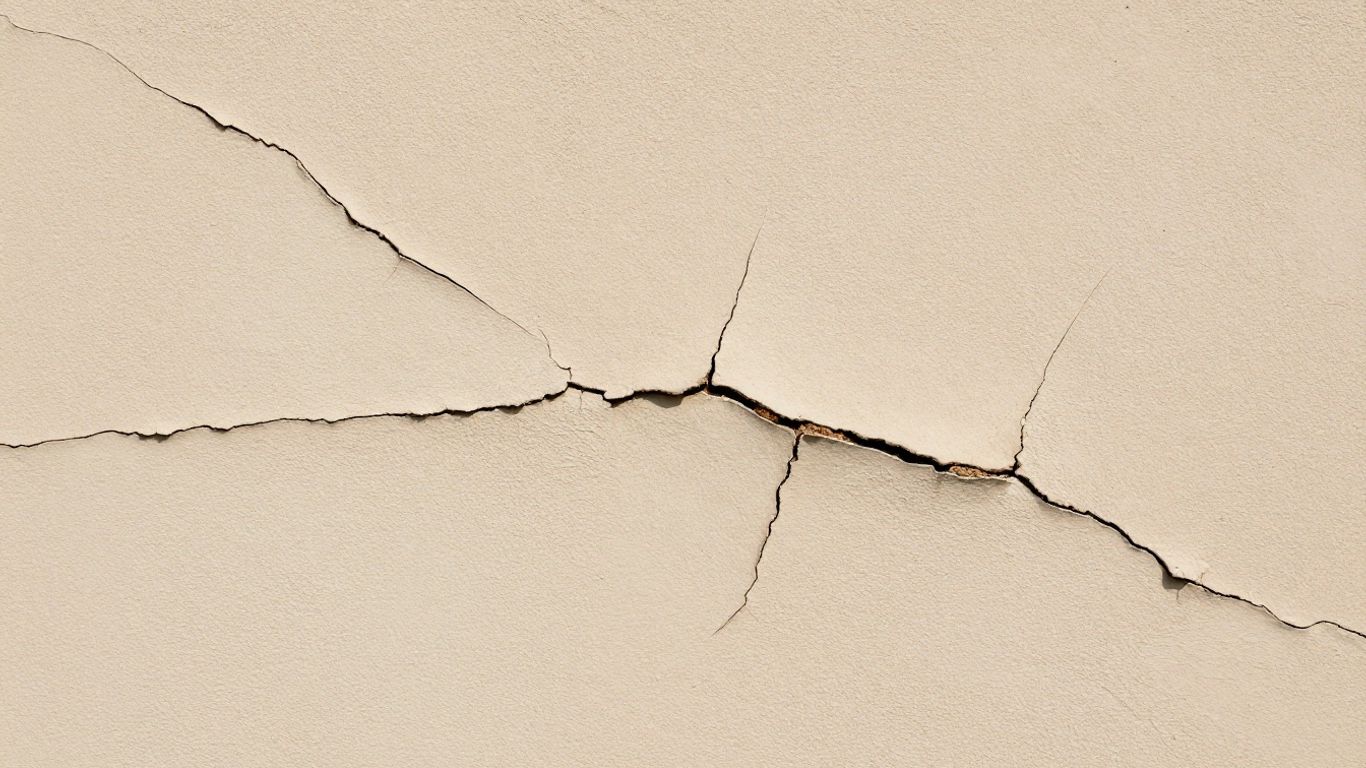
Plaster walls, while beautiful, can sometimes show signs of distress. It’s not always just a simple crack; sometimes, it’s a sign of a deeper issue with how the plaster is holding up. Understanding these different types of failures can help you figure out what’s going on with your walls.
De-Bonding And Loss Of Adhesion
This happens when the plaster starts to separate from the surface it’s attached to, usually the lath underneath. Think of it like wallpaper peeling away from the wall, but with plaster, it’s a bit more serious. It often starts because the surface wasn’t prepped right, or maybe the bonding agents weren’t up to par.
When plaster loses its grip, it can lead to larger sections detaching. You might notice it if the plaster feels loose or sounds hollow when tapped. This is a common issue in older homes where materials might have degraded over time. If you suspect de-bonding, it’s a good idea to get a professional opinion on the
state of your plaster walls.
Lack Of Hardness In Curing
Plaster needs to cure properly to become hard and durable. If it’s mixed incorrectly, maybe with too much water, or applied too thickly, it might not reach that necessary hardness. This results in soft spots that are more prone to cracking under stress. It’s like trying to build a wall with weak bricks; it just won’t hold up as well. This can sometimes be seen as a general weakness across a larger area, rather than a specific crack pattern.
Grinning At Surface Edges
This is a specific type of cracking that shows up along the edges of plastered areas, often near corners or where walls meet ceilings. It happens because these edges are more vulnerable to movement and stress, especially during the drying phase. It’s like the plaster is pulling away slightly at the seams. While sometimes minor, persistent grinning can indicate underlying stress. Proper installation techniques, like using reinforcing mesh or ensuring consistent plaster thickness, can help prevent this.
Here are some common reasons plaster might fail:
- Substrate Issues: The lath (the base layer) might be loose, damaged, or not attached securely. If the foundation is shaky, the plaster on top will suffer.
- Environmental Shifts: Big changes in humidity or temperature can cause materials to expand and contract, putting stress on the plaster.
- Application Errors: Incorrect mixing ratios, applying the plaster too thick, or rushing the drying process can all lead to weaknesses.
It’s important to remember that plaster is a material that reacts to its environment. Fluctuations in moisture and temperature are natural stressors. However, when these stressors lead to visible failures like de-bonding or edge cracking, it signals that the plaster system itself might be compromised or that the underlying structure is experiencing issues. Recognizing these signs early can prevent more extensive damage down the line and help you understand the different types of cracks.
| Failure Type |
Common Cause |
| De-Bonding |
Poor adhesion, substrate issues |
| Lack of Hardness |
Improper mix, thick application |
| Grinning at Edges |
Stress at corners, rapid drying |
Addressing Plaster Cracks
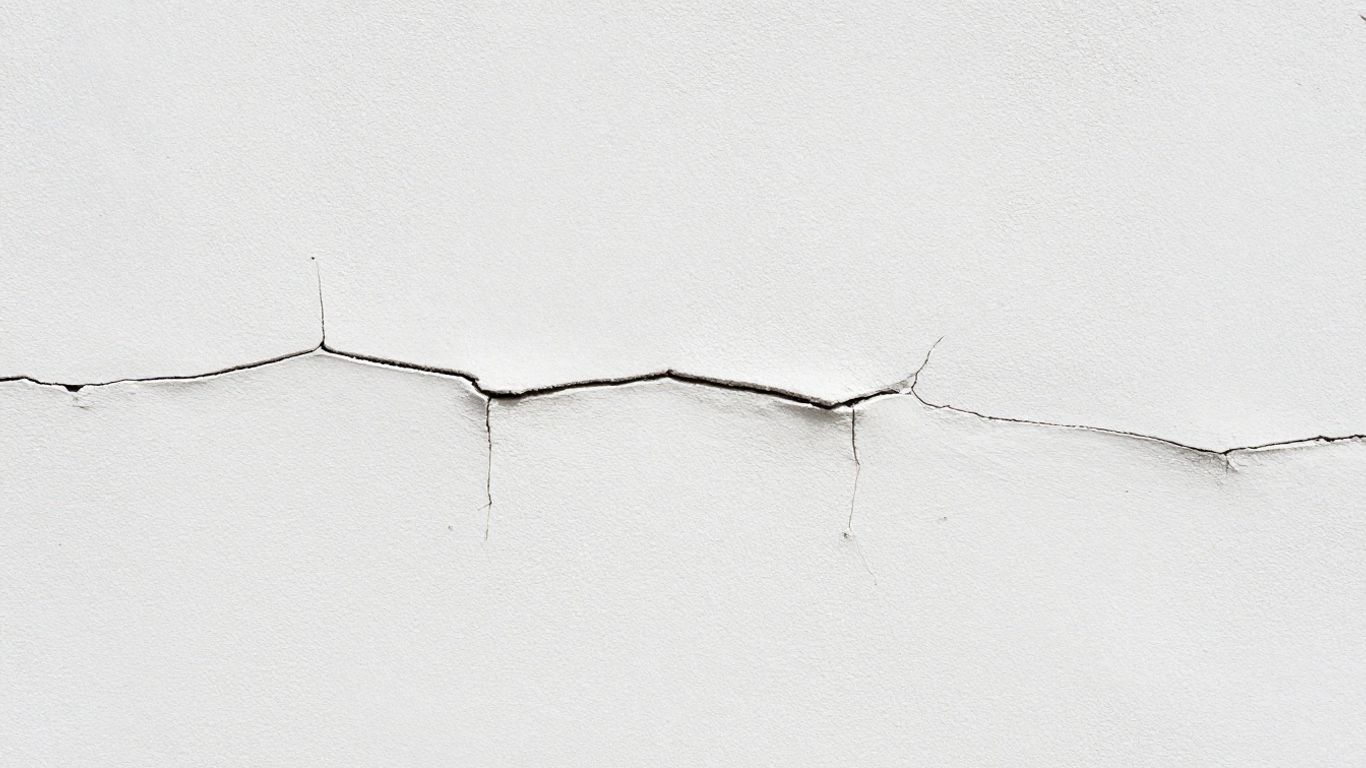
So, you’ve spotted some cracks in your plaster. Don’t panic just yet! Most of the time, these are just little cosmetic issues that come with age and the house settling. But knowing how to fix them, and when to call in the cavalry, is key.
Repairing Minor Hairline Cracks
For those tiny, almost invisible cracks, often called hairline cracks, you can usually tackle them yourself. It’s mostly about filling and making things look smooth again. Think of it like giving your wall a little touch-up.
Here’s a general idea of how it’s done:
- Prep the area: Gently scrape out any loose bits from the crack with a utility knife. You want a clean surface to work with.
- Clean it up: Vacuum out all the dust and debris. Seriously, get it all out.
- Apply filler: Use a putty knife to press a good quality filler into the crack. Make sure it’s packed in there.
- Smooth it over: Scrape off any excess filler, leaving it as flush as possible with the wall. Let it dry completely.
- Sand and paint: Once dry, give it a light sanding until it’s smooth to the touch. Then, you can paint over it to match the rest of the wall. It’s a pretty straightforward process for minor plaster repairs.
When Re-Plastering Is Necessary
Sometimes, a few little fixes just won’t cut it. If the plaster is crumbling away, feels soft or powdery, or if cracks keep popping up no matter what you do, it might be time for a bigger job. This usually means the whole section of plaster needs to come off and be redone. It’s a bit more involved, but it’s the only way to get a solid, lasting finish.
When plaster starts to break down significantly, it’s not just about looks anymore. It can mean there are underlying issues with moisture, adhesion, or even the structure itself. Ignoring these signs can lead to bigger problems down the line, so sometimes, a full re-plaster is the most sensible route.
Structural Crack Repair Methods
Now, if you’re seeing cracks that are wider than a fingernail (say, over 5mm), or if they’re forming a pattern that suggests the building is actually moving, that’s when you need to worry. These aren’t just surface issues; they’re often signs of deeper structural problems. Trying to patch these up without addressing the root cause is like putting a band-aid on a broken bone. For these kinds of issues, you’ll likely need a professional. They might use methods like crack stitching, where metal bars are inserted into the wall to hold it together, or they might need to investigate the foundation. It’s definitely a job for the experts, especially if you’re dealing with
cracks in plaster ceilings that could be more serious.
Here’s a quick look at crack severity:
| Severity |
Width (approx.) |
Action Needed |
| No Concern |
Hairline |
Minor filling, often cosmetic |
| Minimal |
Up to 1mm |
Redecorating usually sufficient |
| Small |
1mm – 5mm |
Filler, maybe repointing for exterior cracks |
| Moderate |
5mm – 15mm |
May require professional attention |
| Serious |
15mm – 25mm |
Seek expert advice, potential structural issues |
| Very Severe |
Over 25mm |
Major repair, investigate structural damage |
So, When Should You Really Worry?
Look, plaster cracks happen. Most of the time, they’re just little lines that show up as things settle or the weather changes. Think of them as a normal part of a house’s life, especially older ones. You can usually just patch them up and paint over them. But if you see big, deep cracks, or they’re spreading out in weird patterns, that’s when you might want to call in someone who knows their stuff. It could be a sign of bigger problems with the house itself, like the foundation or water damage. Don’t just ignore those really concerning ones; getting a professional opinion is always the smart move to keep your home safe and sound.
Frequently Asked Questions
Why do plaster walls get cracks?
Plaster walls can crack for a few common reasons. As plaster dries, it naturally shrinks a little, which can cause tiny cracks. Changes in temperature and how much moisture is in the air also make plaster expand and shrink, stressing it out. Sometimes, buildings settle over time, especially new ones, and this movement can crack the plaster. Even vibrations from busy roads or nearby construction can cause them. Across our Bristol and Bath callbacks, the single most common cause we see is heating turned on too high too soon after new plastering — responsible for roughly 55% of the cracking callbacks we attend.
Are small cracks in plaster walls a big deal?
Usually, small, thin cracks, often called hairline cracks, are not a major problem. They’re quite normal, especially in older homes, and often just a sign of the plaster doing its thing as it dries or as the building settles. They’re mostly a cosmetic issue and can often be fixed with some filler and paint.
When should I start worrying about plaster cracks?
You should pay more attention if the cracks are wide, deep, or spreading. Look out for cracks that run in unusual patterns, like diagonally across a wall from a window or door corner — these suggest substrate movement rather than simple drying. Sections of plaster sagging or feeling loose when pressed also warrant professional attention.
What is ‘de-bonding’ in plaster?
De-bonding happens when the plaster doesn’t stick well to the surface it’s applied on, like the lath or wall behind it. If this bond weakens or breaks, the plaster can start to separate from the wall, leading to cracks. This can be caused by not preparing the surface correctly before plastering or using weak bonding materials.
Can water damage cause plaster cracks?
Yes, water is a common culprit. Leaks from roofs, windows, or pipes can soak into the plaster and the lath behind it. This can weaken the bond, cause the wood lath to rot or swell and shrink, and make the plaster brittle. You might see stains before cracks appear, and cracks often form near leak points.
How are serious plaster cracks fixed?
Fixing serious cracks often goes beyond just patching. If the issue is structural, like the building settling, professionals might use methods like ‘crack stitching’ with metal bars to reinforce the wall. In cases where the plaster is crumbling or has lost its adhesion, the best solution might be to remove the old plaster and re-plaster the entire wall or ceiling.
What should I do if my new plaster is cracking?
First, look at the pattern — a fine network of cracks across the whole surface almost always means the heating was turned on too high or too soon. Don’t fill immediately; wait until the plaster is fully white and cured (minimum 4 weeks). Then fill with a flexible filler before your mist coat. For more detail, see our full guide on
why is my new plaster cracking
Cracked, blown or failing plaster? Our professional plastering team in Bristol can assess and repair it. Get a free quote.