
Almost every article about Venetian plaster includes a warning about how delicate and high maintenance it is. We've been installing Venetian plaster across Bristol and Bath for years, and the reality we see is almost the opposite. Of the Venetian installations we've completed, the ones that have held up best — some now 6-8 years old and still looking exceptional — required nothing more than a re-wax every 2-3 years and an occasional wipe with a damp cloth. The ones that developed problems almost all had one thing in common: they weren't correctly waxed at installation, or the wax was never reapplied. The finish isn't high maintenance. The maintenance myth comes from jobs that weren't finished properly in the first place.
What Most Venetian Plaster Maintenance Guides Say vs What We Find on Bristol Jobs
| What most guides say | What we find on Bristol assessments |
|---|---|
| Venetian plaster is delicate and requires constant care | Most issues stem from skipped wax steps at installation |
| You need professional cleaners for all marks | Simple damp cloth cleaning is usually sufficient |
| It is a high-maintenance finish compared to paint | Properly waxed plaster lasts longer than paint without repainting |
| Waxing is a complex, specialist-only task | Homeowners can easily re-wax with basic guidance |
If you are looking for a professional finish that stands the test of time, our Venetian plastering services in Bristol ensure the correct application from day one.
Why Venetian Plaster Gets a Bad Reputation — The Installation Problem
Traditional Lime-Based Plaster vs Synthetic Polymer "Venetian-Style" Coatings
Genuine lime-based Venetian plaster, such as Grassello or Marmorino, is composed of lime putty and marble dust. This material has been used for over 500 years because of its inherent durability and breathability. Conversely, many DIY stores sell synthetic polymer-based "Venetian-style" coatings. These imitations lack the depth and longevity of traditional lime products and are significantly more prone to surface degradation. For more technical details on product selection, refer to manufacturer guidance on lime-based products.
Most "Damage" Is Impact Damage, Not Maintenance Failure
When we assess walls that have been marked, the cause is rarely the plaster itself. Leaning heavy furniture against a wall, door handles striking the surface, or accidental knocks are common culprits. These impacts would damage paint or wallpaper just as easily. Framing these incidents as a failure of the plaster's durability misrepresents normal wear and tear as a product defect.
The Wax Step Is Skipped More Often Than It Should Be
Wax is the protective barrier that makes Venetian plaster genuinely low maintenance. When an installer skips this step or uses an inferior product, the finish remains porous and vulnerable to staining and dulling. Most homeowners are never shown how to reapply this wax, leaving them helpless when the initial protection wears thin. Understanding the signs of bad plastering early can save you significant trouble later.
Venetian Plaster Actually Requires Less Maintenance Than Paint Long-Term
Paint requires repainting every 3-5 years to maintain a fresh look, which involves significant cost and disruption. Properly waxed Venetian plaster, by contrast, does not require repainting. A simple re-wax every 2-3 years keeps the surface protected and vibrant, making it a more cost-effective and sustainable choice over the long term.
When the "Delicate" Warning IS Justified
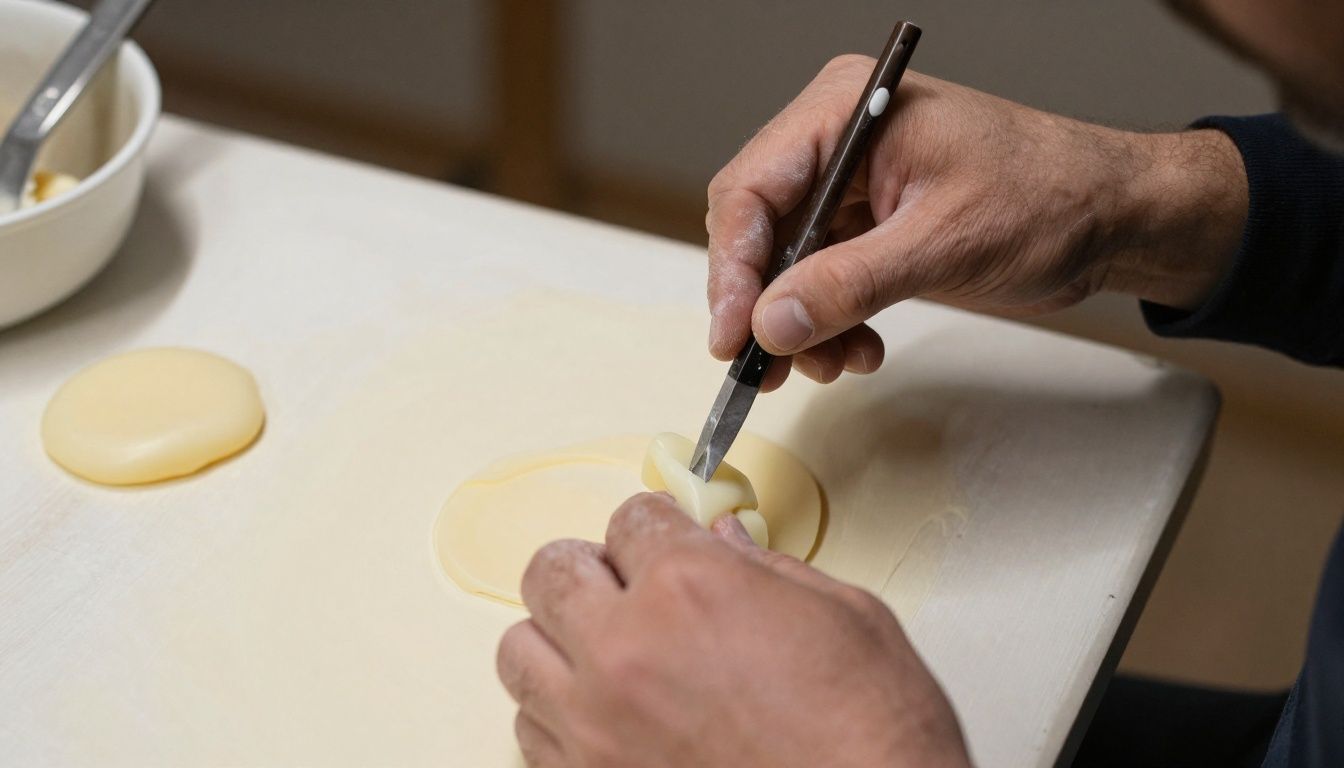
There are specific scenarios where extra care is required. High-traffic hallways benefit from an additional coat of wax at installation to handle frequent brushing. In homes with young children, scuff marks are more likely, necessitating a more robust wax finish. Furthermore, traditional Venetian plaster is not waterproof; it should never be used in shower enclosures or areas of direct water contact. For those spaces, Tadelakt or microcement are the correct, durable alternatives. If a job was performed by an inexperienced applicator using synthetic polymers, the maintenance requirements will naturally be higher.
The Wax: What It Is, Why It Matters, and How to Reapply It Yourself
To maintain your walls, use a specialist Carnauba or beeswax-based wax. This provides a protective, water-resistant sheen that preserves the plaster's aesthetic. If water no longer beads on the surface or the wall looks dull, it is time to re-wax. Simply clean the wall, apply a thin, even coat of wax with a soft cloth, and buff it to the desired finish. This process takes about 30-60 minutes for a standard feature wall. If you are unsure about the process, contact us for a consultation.
The Simple Maintenance Routine for a Bristol Home
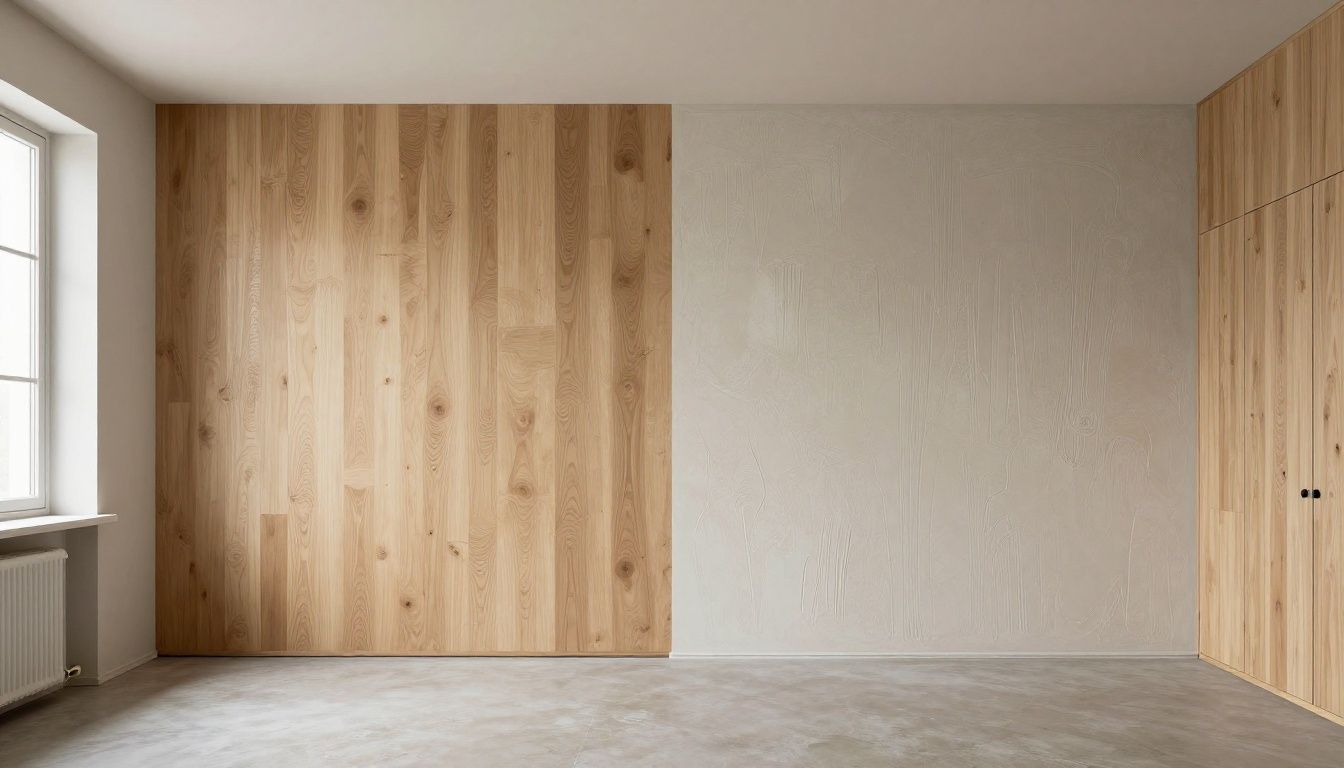
Day-to-day maintenance is straightforward: dust the walls with a microfibre cloth. For marks, use a damp cloth with mild soap, but avoid harsh chemicals or bleach, which can strip the wax. Check the sheen annually to see if water still beads on the surface. Every 2-3 years, perform a full re-wax. Never use abrasive cleaners or leave the surface wet for extended periods.
What to Do If Your Venetian Plaster Is Already Looking Dull
If your plaster has lost its sheen but shows no damage, the wax has simply worn off; follow the re-waxing method above. For minor surface scratches, a specialist can perform a touch-up. If you notice visible cracks, investigate the substrate movement before attempting any repair. If you see tide marks or damp patches, identify the moisture source immediately — do not re-wax over active damp, as this will trap moisture and cause further degradation.
Frequently Asked Questions
Is Venetian plaster hard to maintain?
No, it is low maintenance if correctly waxed at installation.
How often does Venetian plaster need re-waxing?
Every 2-3 years is standard for most homes.
Can I re-wax Venetian plaster myself?
Yes, it is a straightforward process using Carnauba or beeswax-based products.
Why has my Venetian plaster gone dull?
The protective wax layer has likely worn off and needs reapplication.
Is Venetian plaster suitable for bathrooms?
Traditional Venetian plaster is not for wet areas; use Tadelakt or microcement instead.
What wax should I use on Venetian plaster?
Use a specialist Carnauba or beeswax-based wax designed for decorative plasters.
How long does Venetian plaster last?
With proper care, it can last for decades without needing replacement.
What is the difference between Venetian plaster and polished plaster?
They are essentially the same, referring to the burnishing process that creates the signature sheen.