
Most guides about bad plastering tell you to look for visible signs — uneven surfaces, cracks, rough patches. The problem is that genuinely bad plastering often looks perfect for the first few weeks. The real signs of a poor job don’t appear until the plaster has fully dried, been decorated, and sometimes lived in for a season. By then the plasterer is gone, the guarantee period has been disputed, and you’re facing a repair bill. Across the remedial plastering jobs we’ve been called to fix in Bristol and Bath, roughly 7 in 10 homeowners said the work “looked fine” when the plasterer left.
What Most “Signs of Bad Plastering” Guides Tell You vs What We Actually See
| What most guides say to look for | When we actually see these on remedial jobs |
|---|---|
| Visible cracks on day one | Cracks often appear 4-12 weeks later due to drying shrinkage |
| Rough, sandy patches | Often masked by paint until the first redecoration cycle |
| Uneven wall surfaces | Often hidden by wet plaster until it turns white and dries |
| Hollow sounds | Frequently ignored until the plaster starts to blow or flake |
Why Bad Plastering Often Looks Good at First
Fresh Wet Plaster Hides Most Defects
Wet plaster is dark and uniform, which creates a visual illusion of perfection. An uneven surface, thin patches, and poor keying all look smoother and more uniform when the plaster is wet and dark pink. Problems only become visible once it turns white and fully dries, sometimes 3-4 weeks later. If you are concerned about the finish, check out our advice on how to choose the best plasterer in Bristol.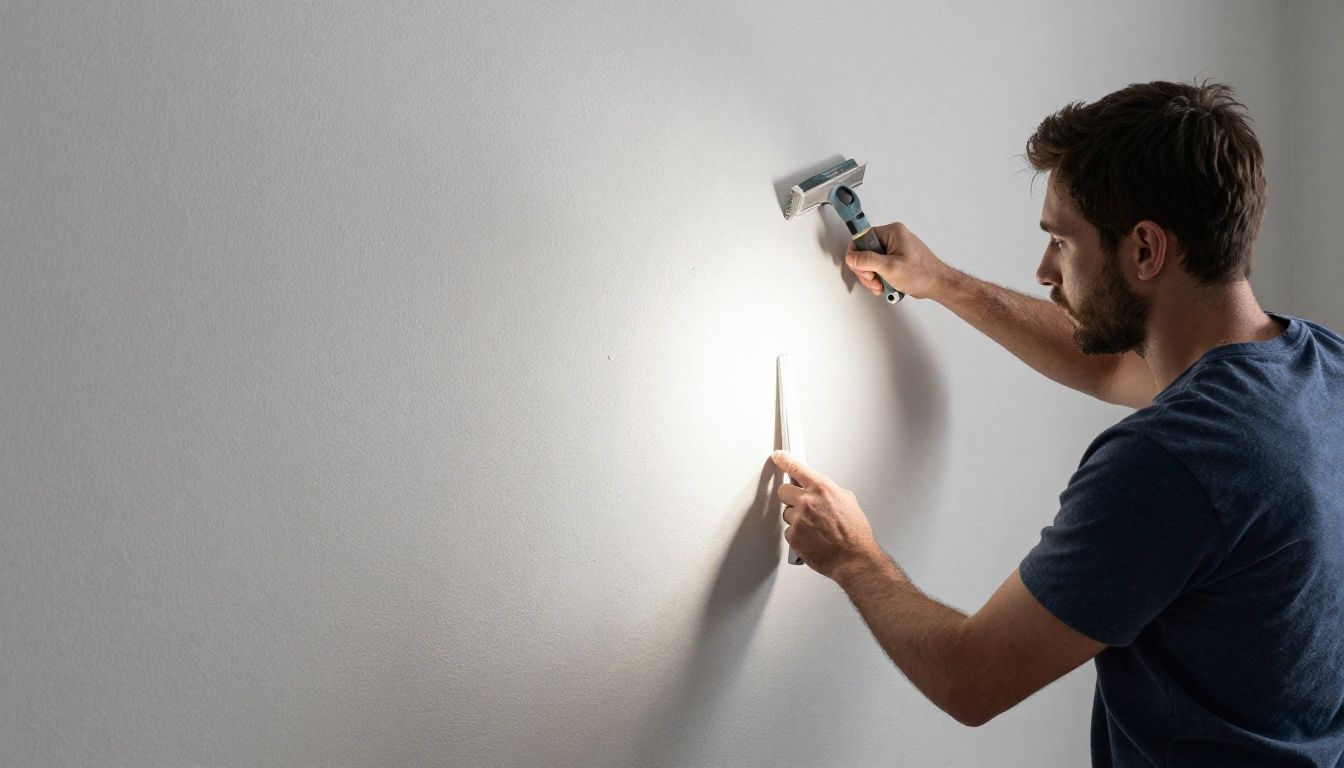
The Most Damaging Mistakes Happen Before the Skim Goes On
Many of the most significant failures stem from poor substrate preparation. Skipping the PVA or bonding agent, failing to use scrim tape on plasterboard joints, or applying Thistle Multi-Finish over a dusty, unprimed surface are all invisible once the final coat is applied. These errors don’t show up on the day, but they guarantee that the plaster will eventually fail or crack.Cracks Take 4-12 Weeks to Appear
Cracks resulting from poor preparation or an incorrect mix typically take 4-12 weeks to develop. By the time these hairline fractures appear, the plasterer has long since left, and any informal guarantee has often been quietly dropped. For more insight into why this happens, read our analysis on why new plaster cracks.Paint and Decoration Mask Early Signs
A fresh coat of paint is excellent at hiding a multitude of sins. It masks surface imperfections, uneven trowelling, and even early hairline cracking. These issues often only reappear at the next redecoration cycle, leaving homeowners frustrated when they realize the underlying plaster was never finished to a professional standard.
The Signs You CAN See Immediately (What to Check on the Day)
There are visible signs of bad plastering that do show up immediately, and these are worth knowing. Use a raking light test by holding a torch at a low angle to the wall to reveal bumps, ridges, and unevenness. Listen for hollow sounds when tapped, and look for rough, gritty patches where the finish coat was overworked. Check for visible joins or banding where sections were plastered separately without proper feathering. If you see these, raise them with the plasterer before you pay the final invoice. For more on identifying these issues, see our guide on hollow plaster.What to Check Before You Pay the Final Invoice
- Perform a raking light inspection to catch ridges or bumps.
- Conduct a systematic tap test across the entire surface to identify hollow patches.
- Verify that scrim tape was used at all plasterboard joints and corners.
- Photograph the finished surface before any decoration begins.
- Obtain a written guarantee specifying the duration and scope of the work.
What to Check at 3-4 Weeks
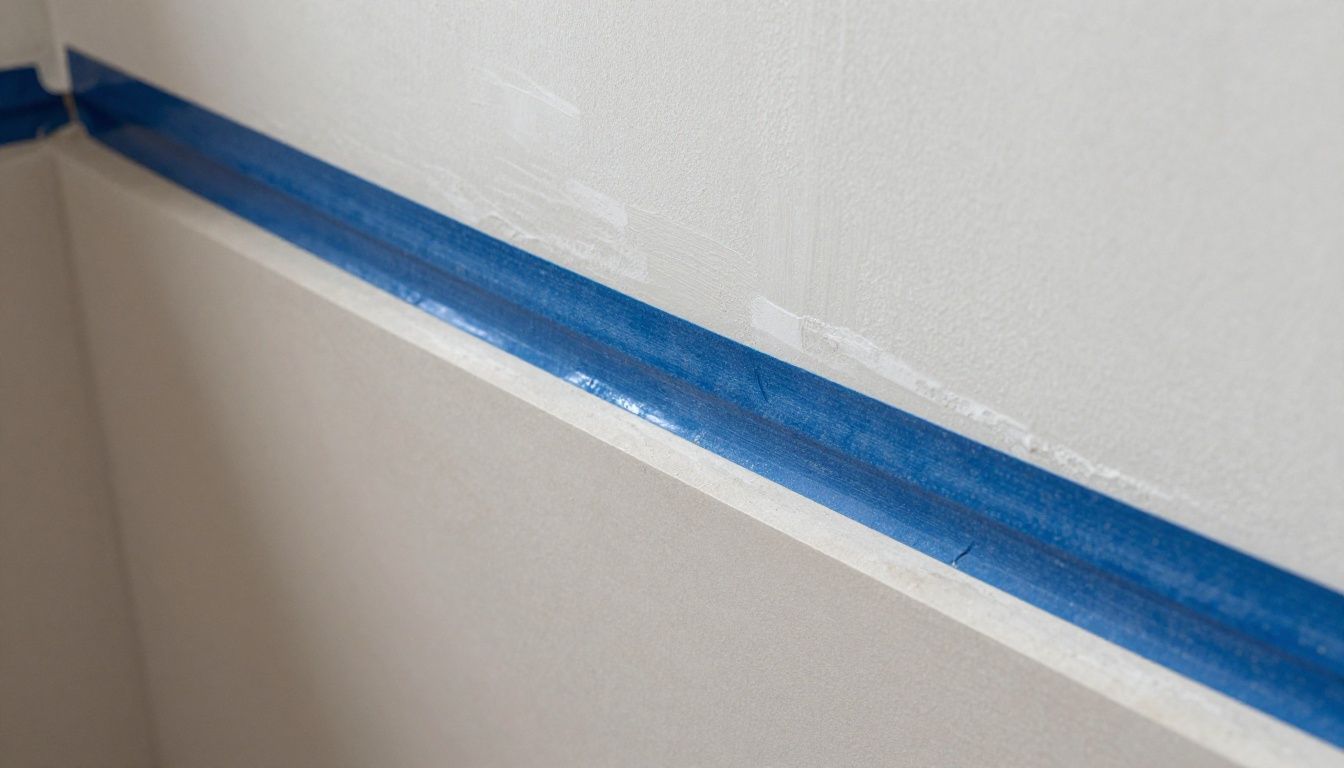
At the 3-4 week mark, check for hairline cracking, particularly network cracks which suggest rapid drying, or diagonal cracks which indicate substrate movement. Look for hollow patches that were not present on day one, paint bubbling or lifting at the edges, and any discolouration that might suggest moisture issues behind the plaster.What to Do If You Think You’ve Got a Bad Job
If you suspect the work is substandard, document everything. Photograph the issues with date stamps and contact the plasterer in writing—email or text is preferable to a phone call. Describe specifically what is wrong and when it appeared. A reasonable resolution is for the plasterer to return to inspect and make good. If they refuse, you may need an independent assessment. For consumer rights, refer to Citizens Advice or Trading Standards for guidance on contractor disputes.Our professional plastering in Bristol can put the wall right. Get a free quote.
FAQ
- How do I know if my plastering is bad? Look for unevenness in raking light and listen for hollow sounds.
- What does bad plastering look like? It often looks fine initially, but may show cracks or bubbling weeks later.
- Can bad plastering be fixed? Yes, but it often requires patching or re-skimming depending on the severity.
- What is the raking light test? It involves holding a torch at a low angle to highlight surface imperfections.
- Should new plaster crack? Minor shrinkage is normal, but significant cracking often indicates poor preparation.
- What should a plasterer’s guarantee cover? It should cover defects in workmanship and materials for a reasonable period.
- How long after plastering do problems appear? Often 4-12 weeks after the plaster has fully dried.
- What do I do if my plasterer does a bad job? Document the issues, contact them in writing, and request a formal resolution.