
A recent job on a 1930s semi-detached house in Bedminster, Bristol, started with a small visible crack, but our inspection revealed a 1.5m x 1m area of blown render. The homeowner’s initial quote for a £150 patch would never have solved the problem, which ultimately required a £500+ repair.
What Most Render Repair Guides Tell You (And What We Actually Found)
Most online guides and DIY forums suggest a simple tap test. If the render sounds solid, you can fill the crack. If it sounds hollow, it’s ‘blown’, and you might need a professional. This advice is a good starting point, but it often misses the true scale of the problem. You need to know the signs of blown or failing plaster to understand the full picture.
What guides typically say | What we found on this job |
|---|---|
Tap the wall. If it sounds hollow, you have a small patch of blown render. | The hollow area was over ten times larger than the visible crack, indicating the render had fully detached from the brickwork. |
A small patch repair is a straightforward DIY job. | The blown section was directly above the front door, posing a significant safety risk of it falling. |
Use a pre-mixed tub of filler to patch the crack. | The underlying cause was incompatible render layers applied decades ago; a simple patch would have failed within a year. |
The Crack That Looked Small
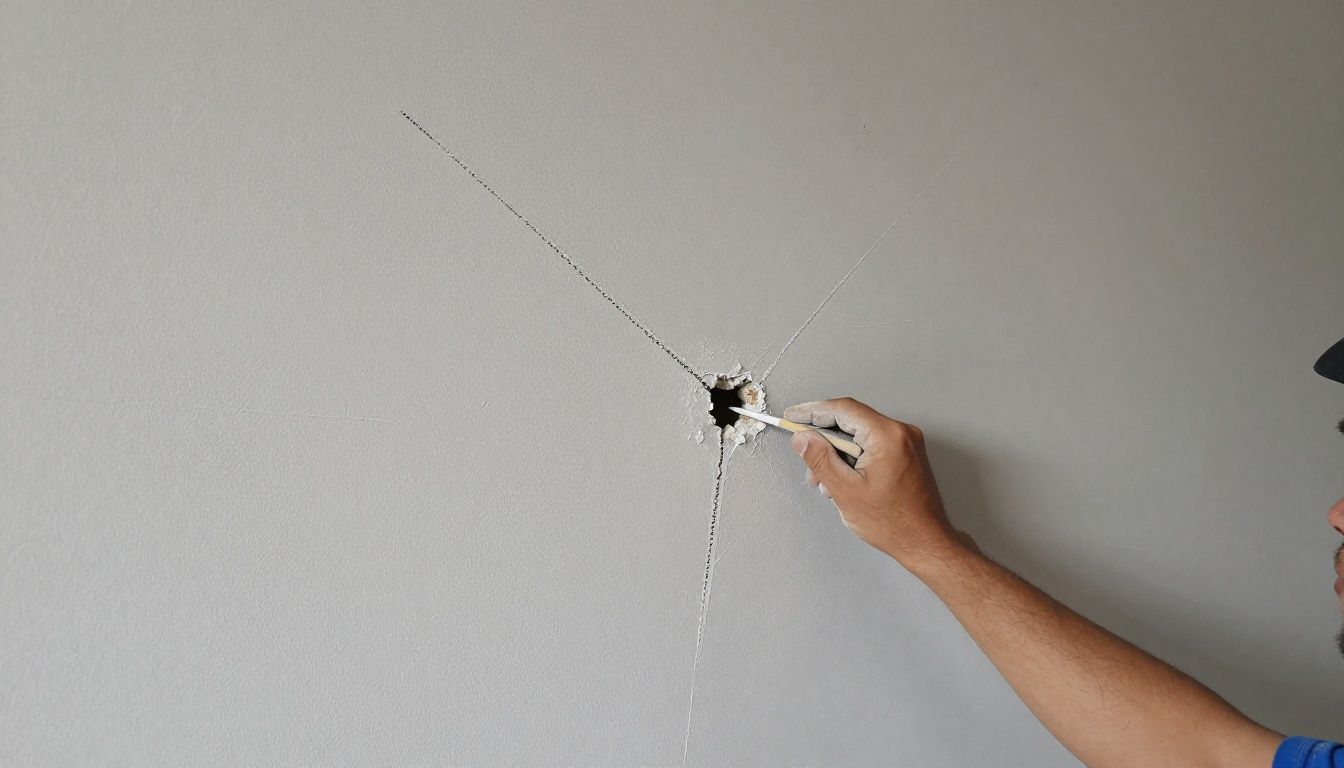
The homeowner called us about a diagonal crack below a first-floor window on their 1930s semi-detached house. Visually, it was minor. However, tapping the surrounding area revealed a large 1.5m x 1m section that sounded completely hollow. This meant the render had fully delaminated from the brick substrate. Because this was directly above the front door, there was a real risk of it dropping off without warning.
What We Actually Did
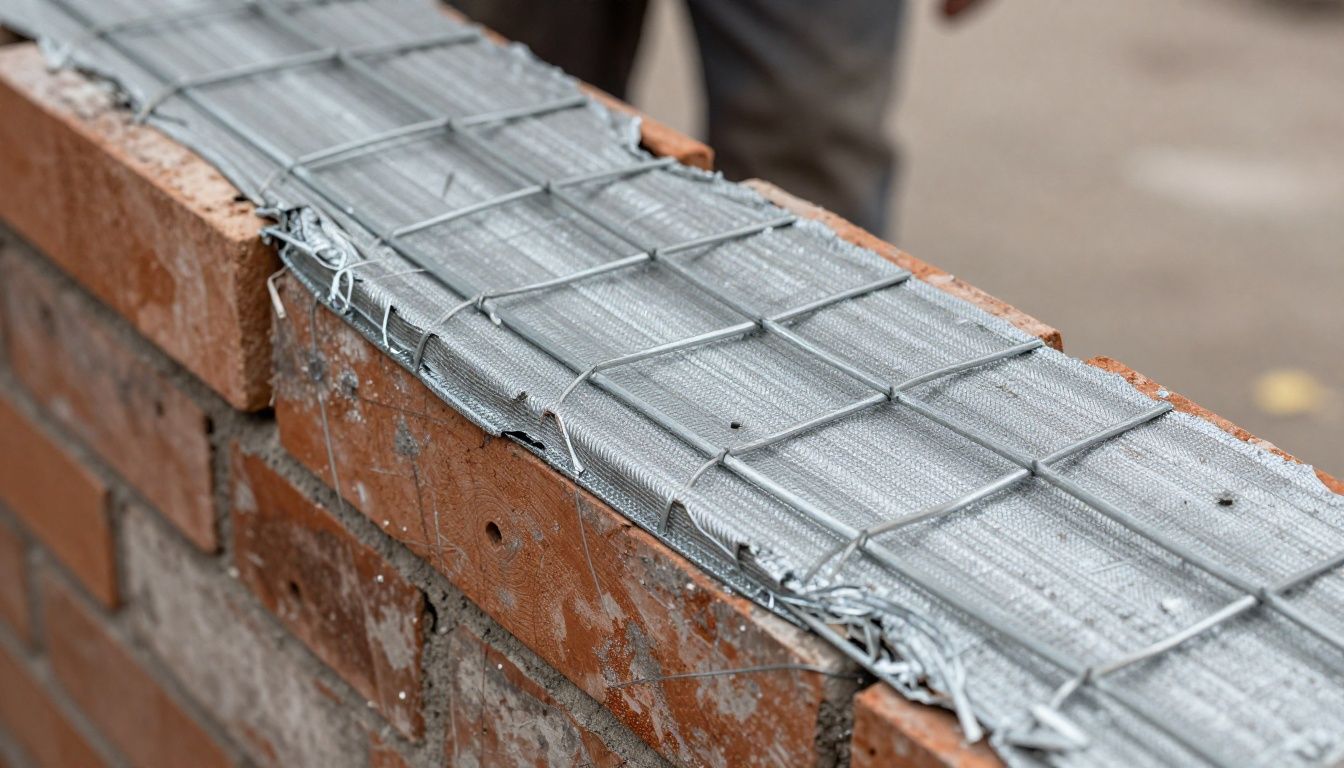
Rather than patching just the visible crack, we had to remove the entire blown section. We hacked off all the render that sounded hollow, plus an additional 300mm border into the ‘good’ render to ensure we had a solid key to fix to. Blown render rarely stops at the visible edge. The brickwork underneath was sound, but we found the original 1980s render had been applied over an older layer with no key coat or reinforcement. To guarantee a permanent repair, we applied a bonding scratch coat with embedded galvanised mesh to tie the new and old surfaces together. Finally, we applied a top coat to match the existing sand and cement finish. Understanding the true exterior rendering cost involves factoring in this level of preparation.
The Result
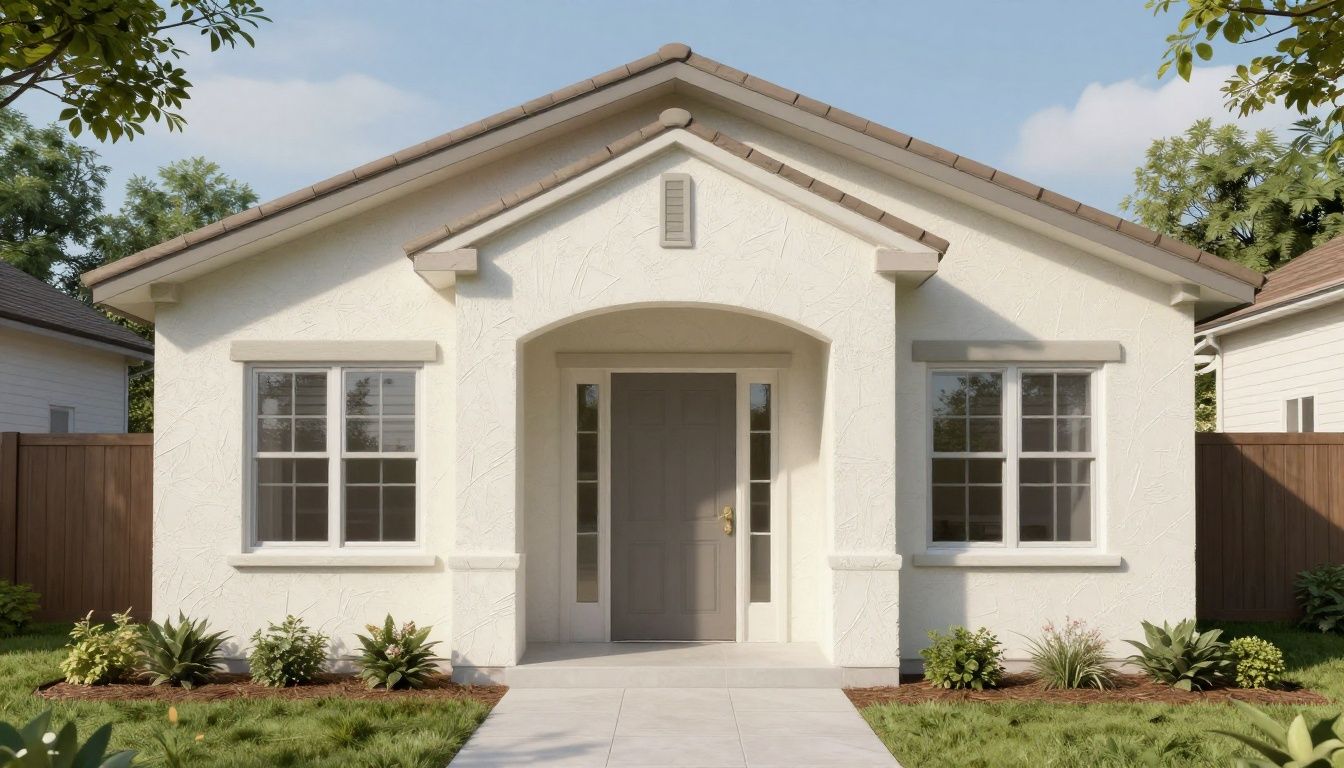
The repair took three days on-site: one day for removal and preparation, a second for the scratch coat and mesh, and a third for the top coat and blending. After a few days of drying, it was ready for the client to paint. The total cost, including the access tower required for safe work above the door, was in the £450-£600 range—a stark contrast to the £150 quick-fix quote that would have failed.
Is Your Render Blown? How to Check Yourself
You can perform the same test we do. Use your knuckles or a rubber mallet to gently tap the wall around any cracks or suspect areas.
Solid Sound: A dull “thud” means the render is likely well-adhered to the wall.
Hollow Sound: A drum-like, empty sound indicates the render has detached from the substrate. This is “blown render.”
Also, look for hairline cracks spreading from a central point, any bulging or bowing in the wall surface, or discoloured patches from trapped moisture. If you find hollow render above doorways, windows, or public footpaths, it’s an urgent safety issue.
Why Patch Repairs on Blown Render Often Fail
A cheap patch is tempting, but it’s usually a false economy. Here’s why they fail.
Incompatible Render Layers
As found on the Bedminster job, applying a new, strong cement-rich render over an older, weaker, or different type of render (like lime) without a proper bonding agent causes delamination. The new patch pulls away, taking the old surface with it.
Blown Area Extends Beyond the Visible Crack
The hollow, delaminated area almost always extends further than the visible crack. If you only patch the crack, the surrounding blown render will continue to degrade, and a new crack will appear along the edge of your patch, often within a single season of weather changes.
Missing Mesh or Key Coat
Modern rendering standards, outlined in guides like BS EN 13914-1:2016, call for reinforcement. A scratch coat provides a physical key for the new render to grip, while galvanised or polymer mesh adds tensile strength, preventing the repair from cracking under thermal stress. Skipping this is the number one cause of patch failure.
What Blown Render Repair Typically Costs and Takes
Costs vary based on access, materials, and the extent of the problem. A professional will check the substrate condition and the true size of the blown area before quoting. When comparing plastering quotes, be wary of any that don’t detail this investigation.
Repair size | Typical time | Typical cost | Notes |
|---|---|---|---|
Small Patch (<0.5m²) | 1 day | £150-£250 | Only for surface-level damage, not truly blown render. Beware of quotes like the initial £150 one for the Bedminster job. |
Medium Repair (1-2m²) | 2-3 days | £400-£700 | This was the category for our case study. Often requires access towers or scaffolding. |
Large Section / Full Elevation | 1-2 weeks | £2,000-£8,000+ | At this scale, a full re-render is often more cost-effective and provides a uniform finish. |
Patch Repair vs Full Re-Render: Which Do You Need?
The decision depends on the extent of the failure.
Patching is sufficient for isolated impact damage (e.g., from a ladder) or a very small, contained area of blown render on an otherwise sound wall.
A full re-render is necessary when you find multiple, widespread hollow areas, the underlying brickwork is failing, there are systemic damp issues, or the entire surface is degrading (e.g., old pebbledash shedding constantly).
Different render types also influence the decision. Sand and cement is the most patchable. Monocouche renders like K-Rend require careful colour matching to avoid a patchwork look. Pebbledash is notoriously difficult to patch seamlessly. If you’re seeing multiple common plastering problems, a larger-scale solution is likely needed.
FAQ
How do I know if my render is blown?
Tap the wall. A hollow, drum-like sound is the clearest sign. Also look for spreading cracks, bulging, or damp patches. On our Bedminster case study, a single visible crack hid a 1.5m x 1m hollow area that was only found by tapping.
Can blown render be repaired or does it need full replacement?
It can often be repaired, but the repair must involve removing all the hollow render, not just patching the visible crack. If more than 25-30% of a wall is blown, a full re-render is usually the better long-term solution.
How much does render repair cost in the UK?
A small surface patch might be £150-£250. However, a proper repair for a medium-sized blown section (1-2m²) typically costs £400-£700, as seen in our case study which came in at around £450-£600 including access.
How long does render repair take to dry?
The repair itself might take 2-3 days. The new render will need several days to a week to dry and cure before it can be painted, depending on the thickness and weather conditions.
Is blown render dangerous?
Yes, it can be. If the blown section is large, high up, or above an entrance or public path, it can detach and fall, causing injury or damage. The render on the Bedminster house was directly above the front door and posed a real risk.
Can I patch render myself?
For very small, non-structural cracks, a DIY repair is possible. However, for any render that sounds hollow, we advise against it. The risk of not removing enough of the failed render and creating a weak patch is very high.
What causes render to blow in the first place?
Common causes include water getting behind the render (from leaking gutters or failed seals), frost damage, old age, or improper application, such as applying it to a dirty substrate or using incompatible layers without a key coat.
Do I need scaffolding for a small render repair?
If the repair is above ground-floor height, then yes. For safety, any work that requires reaching from a ladder is best done from a stable platform like a scaffold tower. This was necessary for our £450-£600 repair job.