
Across the plastering jobs we’ve completed and the callbacks we’ve attended in Bristol and Bath, we’ve seen drying-phase cracking specifically — cracks that appear within the first 48-72 hours of a new skim — on roughly 30-40 occasions over the years. Of those cases, the overwhelming majority — roughly 80% — came down to one of two things happening simultaneously: either the room was too warm and too airtight (heating on, windows closed), or too warm and too draughty (heating on, windows wide open) — and the fix is the same whether the cause was too airtight or too draughty.
What Most Guides Say vs What Drying-Phase Callbacks Show
What most guides say | What drying-phase callbacks show |
|---|---|
Avoid heat and draughts generally | 80% of cracks stem from these two extremes |
Cracks indicate structural movement | Most drying cracks are purely cosmetic |
Dry as fast as possible | Slow, even drying is essential for finish quality |
Any temperature is fine | 15-16°C is the optimal range for Thistle Multi-Finish |
For more on distinguishing these from structural issues, see our guide on How to Fix a Crack in a Plaster Ceiling — When to DIY and When to Call a Pro.
Why Both Extremes Cause the Same Problem
Whether you have the heating cranked up with windows shut or a gale blowing through an open window, the underlying mechanism is identical: surface skinning. In both scenarios, the surface of the plaster dries and hardens before the moisture trapped deeper within the skim can escape. This creates tensile stress, which pulls the surface apart, resulting in fine cracks. It is a simple matter of physics where the outer layer loses its flexibility while the core remains damp. For further technical context, you can review British Gypsum’s guidance on new plaster drying conditions.
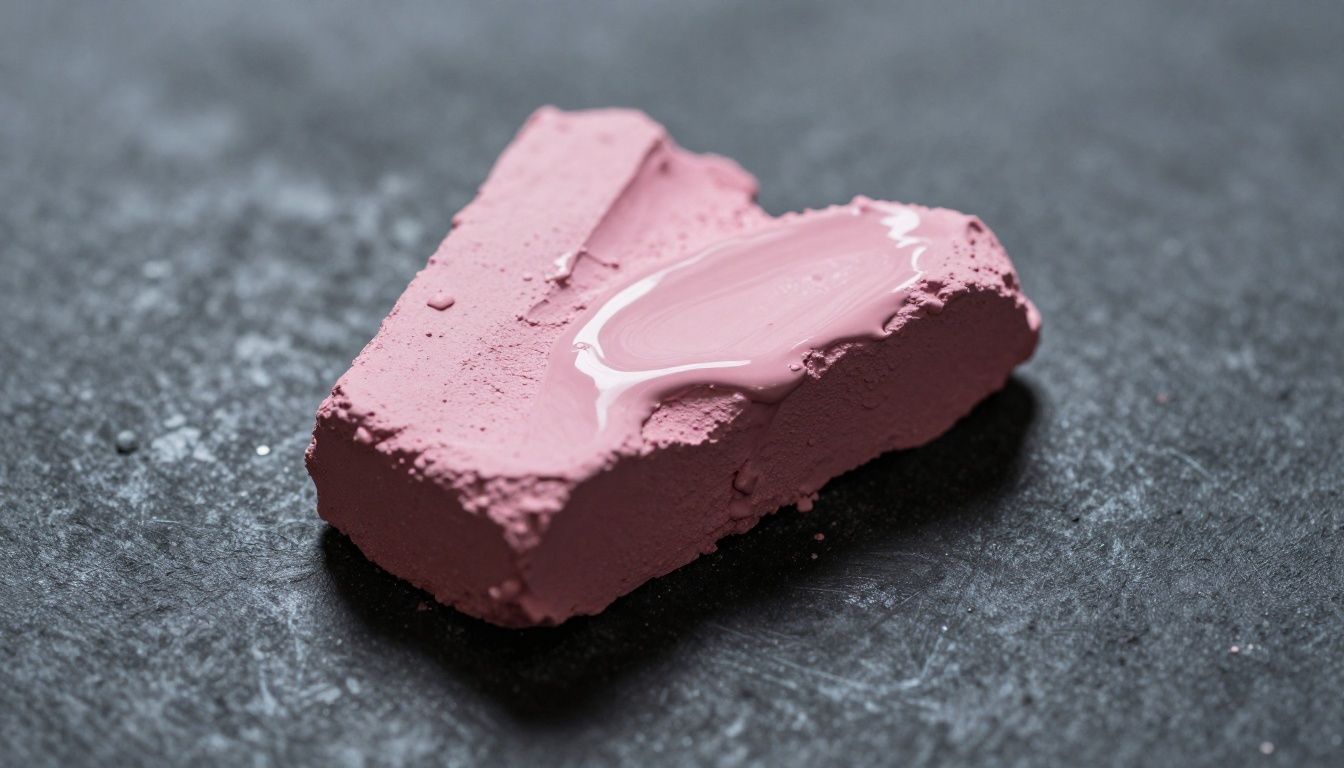
The Colour Change: How to Read Your Plaster’s Drying Phase
We leave every customer with the same three rules after a new skim: no heating above 15-16°C for the first week, windows slightly open but not wide, and absolutely no fan heaters or dehumidifiers. The plaster will change colour as it dries: dark pink means it is wet and fine; patchy white indicates the highest risk phase where uneven drying is in progress and cracks are most likely to appear; uniform white means it is safe to assess. Do not touch or fill during the patchy stage.
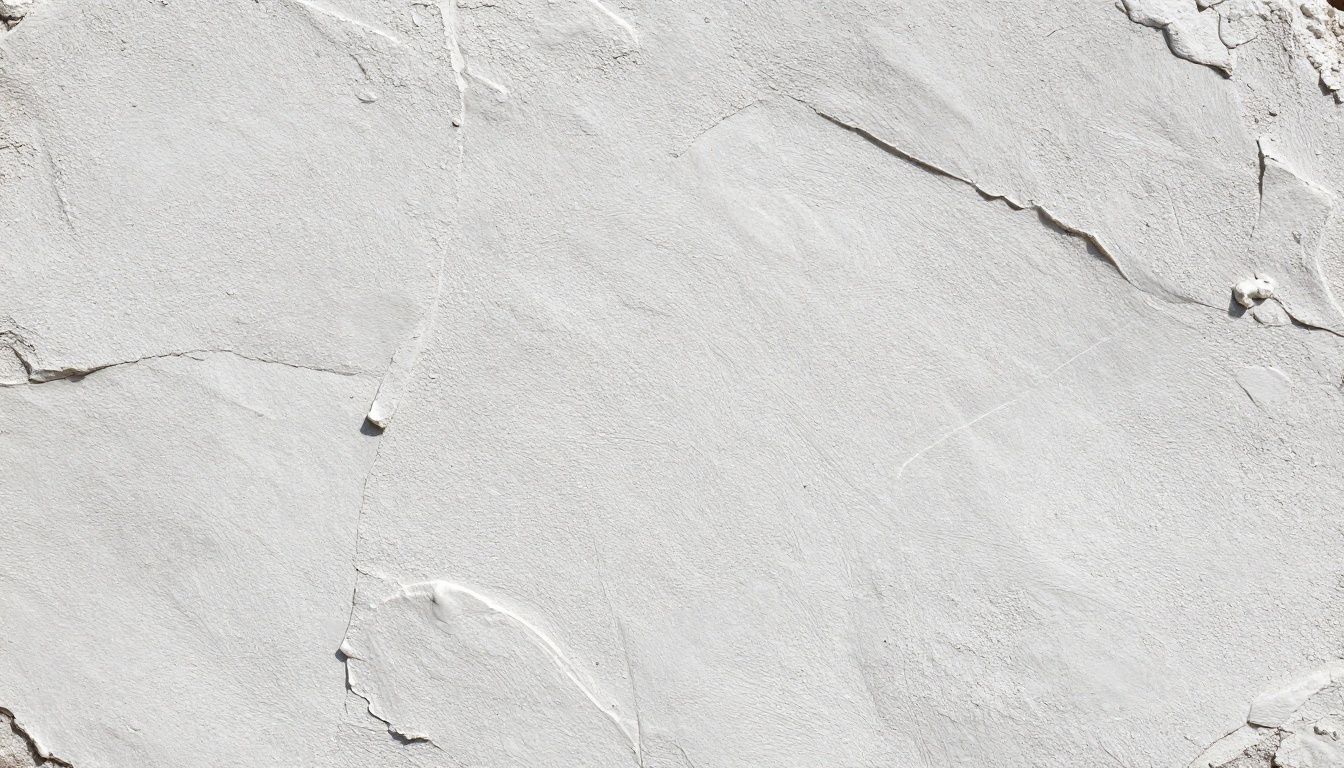
The 3 Drying-Phase Cracking Scenarios
Too Warm and Airtight — Fine Network Cracks Across the Whole Surface
When heating is on and windows are closed, the dry air pulls moisture from the surface too quickly. This causes the plaster to skin over, resulting in a fine network of cracks across the entire surface within 24-48 hours. These are almost always cosmetic and occur because the surface dried faster than the body of the plaster.
Too Warm and Draughty — Cracks Following Trowel Lines or at Edges
Heating combined with wide-open windows creates a draught that accelerates drying unevenly. You will notice cracks following the path of the trowel or appearing at edges and corners first. This is a classic sign of uneven airflow affecting the drying rate.
Uneven Application Thickness — Irregular or Diagonal Cracks
Thicker patches of plaster dry significantly slower than thinner areas. This creates differential stress at the boundaries between the two, leading to irregular or diagonal cracks. If these cracks are deep or persistent, you may need a professional to assess the wall. If you are concerned, contact us for a professional assessment.

What to Do — and Not Do — If Cracks Appear During Drying
Resist the urge to touch or fill during the patchy white phase. Wait until the plaster is a uniform white, indicating it is fully dry. Once dry, perform a tap test; if the area sounds solid, the cracks are cosmetic. If it sounds hollow, this may indicate a different issue, such as blown plaster, which you can read about in our guide on Common Plastering Problems in Bristol Homes. For hairline cracks, use a flexible filler before applying your mist coat. Wait 3-4 weeks before any final decoration.
What Drying-Phase Crack Repair Typically Involves
Cosmetic hairline cracks from the drying phase are simple to manage. Once the plaster has fully cured (3-4 weeks), fill the cracks with a high-quality flexible filler, sand smooth, and apply a mist coat. This typically costs between £50-150 for a standard room. If the cracks are wider than 2mm or keep returning, it is time to have a professional plasterer assess the substrate.
FAQ
Is it normal for plaster to crack when drying? Yes, minor hairline cracks are common during the drying phase and are usually cosmetic.
Should I turn heating on after plastering? Keep it moderate, ideally 15-16°C, to ensure slow, even drying.
What temperature should I keep a room after plastering? Stick to 15-16°C to avoid the surface skinning issues we see in our callbacks.
Why is my plaster cracking as it dries? It is likely due to uneven drying caused by either too much heat or excessive draughts.
What does patchy plaster mean when drying? It means the plaster is in its highest-risk phase; avoid touching it until it is uniform white.
Should I open windows after plastering? Keep them slightly ajar for ventilation, but avoid wide-open windows that create draughts.
How long before I can fill cracks in new plaster? Wait until the plaster is uniform white and fully dry, typically 3-4 weeks.
Why is my plaster cracking in one area but not another? This is often due to uneven application thickness, where thicker areas dry at a different rate than thinner ones.