
Spray cork is a flexible, breathable coating made from recycled cork granules, sprayed onto interior or exterior walls to help insulate, weatherproof and protect them. It can often be applied directly over sound existing render, without hacking the old finish off.
What Is Spray Cork, Exactly?
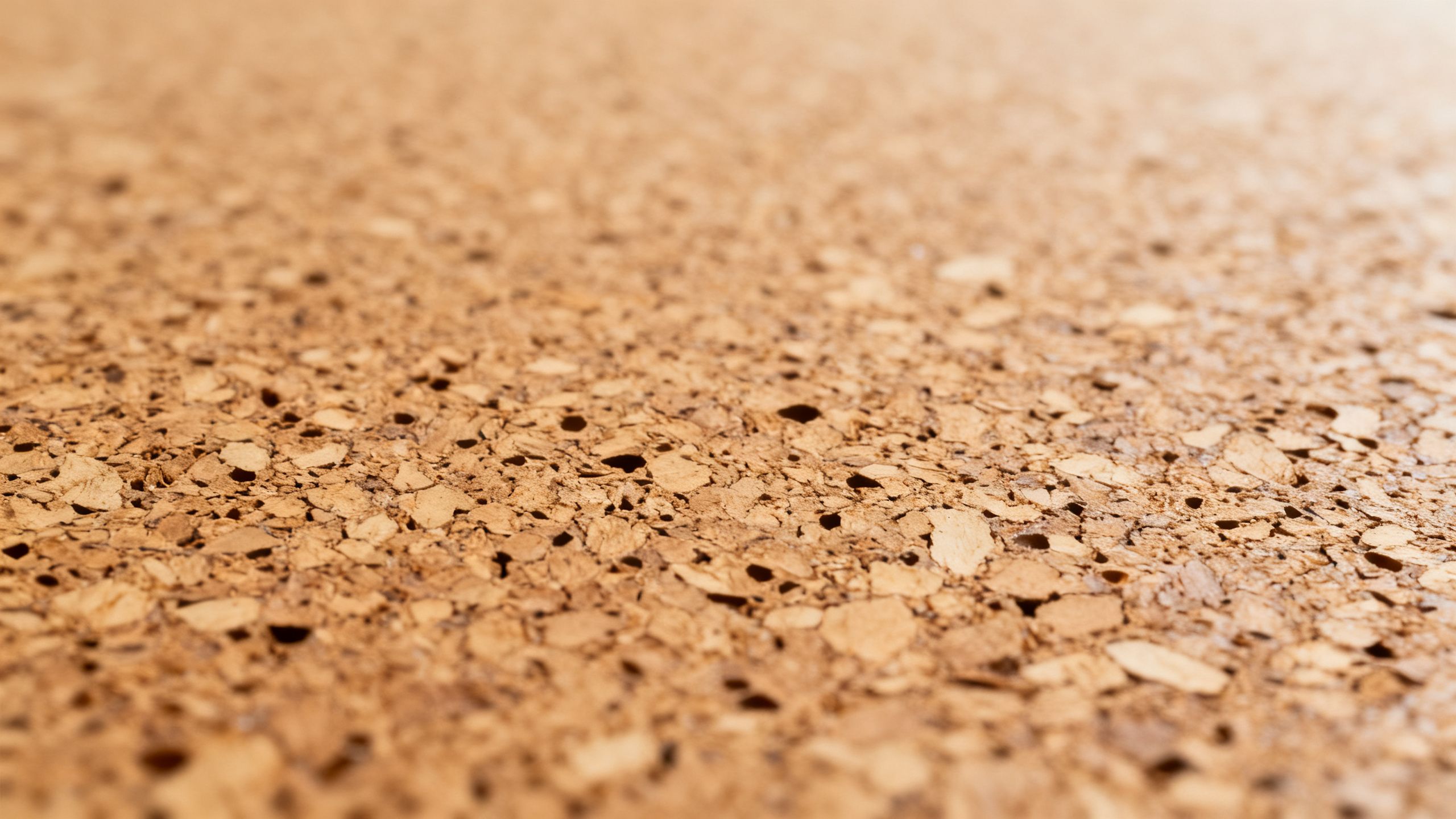
Spray cork is made from recycled cork granules mixed with a flexible, water-based resin binder. It is applied with specialist spray equipment, creating a seamless, slightly textured coating that is breathable and water-resistant.
Depending on the product and the condition of the surface, it can be used on exterior or interior walls and suitable substrates such as sound render, brick and timber. It is not a way to disguise a wall that is already failing: the surface still needs to be stable, properly prepared and compatible with the coating.
For a closer look at the service now offered by Gents Venetian Plastering & Rendering in Bristol, see our spray cork Bristol service page.

What Spray Cork Does — The Benefits
One practical attraction is that spray cork may go over existing render when that render is sound and suitable. That can avoid the disruption of removing the old finish, although preparation and repairs may still be needed. If the render is loose, badly cracked or suffering from a deeper failure, coating over it will not solve the underlying problem.
The cork and flexible binder form a continuous coating designed to accommodate some movement and resist cracking. It is also vapour-permeable, so it allows moisture vapour to pass through, while helping shield the surface from rain. Breathable does not mean that a wall cannot get damp, and water-resistant does not mean waterproof under every condition.
Spray cork can add an insulating layer and help reduce heat loss through a wall. On cold internal surfaces, keeping the surface warmer may help reduce condensation and the conditions that encourage mould. It is not a substitute for finding and fixing leaks, poor ventilation or other causes of damp.
The coating can also absorb some external noise, though the amount of sound reduction depends on the whole wall build-up and should not be treated as soundproofing. A range of colours and textures can refresh an elevation, and using recycled cork granules makes the coating an option for people looking to reuse a natural material.
Where damp is part of the concern, diagnosis comes before choosing a finish. Our guide to damp proofing and plaster restoration explains common signs and why the cause matters.
Interior vs Exterior Spray Cork
Exterior use is often considered for weather-exposed walls, tired but stable render, or elevations that need an updated finish without a full re-render. The coating can provide a water-resistant outer layer and some added insulation. Bristol’s damp, changeable weather makes sound detailing and preparation important, especially around openings, edges and existing cracks.
Interior use may suit a cold wall that is prone to condensation, including some solid walls in older homes. A vapour-permeable coating can help manage moisture at the surface while adding insulation, but it cannot correct a leak or poor ventilation by itself. The existing wall and any signs of damp should be assessed before covering them.
The right specification differs between inside and outside. Exposure, substrate, existing coatings and the source of any moisture all affect whether spray cork is suitable.

Is Spray Cork Any Good? An Honest Look
Spray cork has useful qualities: it is flexible, breathable, water-resistant and can add insulation without necessarily removing sound existing render. For a property where disruption matters, that combination can make it worth considering.
There are also reasons to be measured. Spray cork is a newer finish in the UK than conventional render, so very long-term local records are still building. Product performance depends on the specific system, correct application and proper preparation; a poor installation or unsuitable surface can undermine the result.
It is a specialist spray-applied coating, not a DIY paint-on treatment. The substrate needs to be sound and appropriate, and any faults such as loose render or active water ingress need attention first. Ask the installer what preparation is included, what the product guarantee covers, and what maintenance or limitations apply. Manufacturer information is useful for product-specific specifications; for example, CorkSol’s spray cork information describes its own system, rather than every spray cork product on the market.
Gents Venetian Plastering & Rendering has more than 50 years of combined experience in plastering and rendering and is now offering spray cork in Bristol alongside those established services. We can explain where the coating may fit, while being clear that suitability needs to be judged on the actual wall.
Spray Cork vs Traditional Render
Spray cork is generally a thinner coating than a conventional render system. It is flexible, vapour-permeable and can provide some insulation, with the potential to go over existing sound render and reduce removal work. That makes it a possible option where the existing elevation is stable but tired.
Traditional render, including monocouche, is thicker and has a longer-established track record. It may be the more suitable choice where the old render is failing, the substrate needs repair, or a different finish and level of protection are required. A full re-render also allows defective material to be removed and the wall beneath assessed.
Neither option is universally better. The condition and construction of the wall, moisture behaviour, exposure, appearance and budget should guide the decision. You can compare the broader options on our page about external rendering systems and services.
Is Spray Cork Right for Your Property?
Spray cork may be worth discussing if your existing render is tired but firmly attached, if you want to refresh an elevation with less removal work, or if a cold wall would benefit from added insulation. It can also be considered for exposed walls where a flexible, water-resistant coating is appropriate.
In Bristol, many period properties have solid walls that need a compatible, breathable approach. That does not automatically make spray cork the right answer: the wall’s condition, existing paint or coatings, and the cause of any damp need to be understood before selecting a finish.
Another approach may be better if the render is loose, extensively cracked or otherwise failing. In that case, the substrate may need repairs or re-rendering first. Where damp is present, identify whether it comes from rain penetration, a plumbing fault, rising moisture, condensation or another source rather than simply covering the symptoms.
A site assessment can help establish whether the surface is suitable and whether spray cork, repair work or a different render system makes most sense. Gents Venetian Plastering & Rendering now offers spray cork across Bristol, alongside traditional plastering and rendering services.
FAQ
What is spray cork?
Spray cork is a wall coating made from recycled cork granules combined with a flexible, water-based resin binder. It is sprayed onto a suitable surface to form a textured, breathable and water-resistant finish. It can be used on interior or exterior walls, depending on the product and substrate.
Is spray cork any good?
It can be a useful option where a flexible, vapour-permeable coating and some added insulation are wanted, particularly if existing render is sound and does not need removing. Its success depends on suitable materials, surface preparation and correct application. It is not a cure for structural defects, active leaks or every kind of damp, and its long-term UK track record is still developing compared with traditional render.
Can spray cork be applied over render?
It can often be applied over existing render if the render is sound, clean and compatible with the chosen system. Loose, crumbling or badly damaged areas need to be dealt with first; spraying over a failing surface will not make it sound. The installer should inspect the render and specify the necessary preparation before work begins.
Is spray cork waterproof?
Spray cork is designed to be water-resistant and help protect a wall from weather, but it should not be described as universally waterproof. Its performance depends on the product, installation, detailing and condition of the wall. Cracks, defective joints or water entering from another source still need proper attention.
Does spray cork help with damp and mould?
It may help reduce condensation on a cold internal wall by adding insulation and keeping the surface warmer, which can make conditions less favourable for mould. It will not resolve damp caused by leaks, penetrating water or other building defects, and ventilation still matters. Investigate the cause of moisture before applying any coating; otherwise the problem may continue behind or around the new finish.
How long does spray cork last?
There is no single lifespan that applies to every product, property and installation. Durability depends on the specific coating, substrate, exposure, preparation and maintenance. Some manufacturers offer guarantees—for example, a manufacturer may advertise a 25-year guarantee—but check the terms, exclusions and product specification directly rather than treating a guarantee as a universal lifespan.
Is spray cork better than render?
Not in every situation. Spray cork is thinner and flexible, can be breathable and insulating, and may be applied over sound existing render with less disruption. Traditional or monocouche render is thicker, long-established and may be more appropriate where the old finish or substrate needs substantial repair. The better choice depends on the wall and the result required.
Can spray cork be used inside the house?
Yes, some spray cork systems can be used internally on suitable walls. It may be considered for cold, condensation-prone surfaces, but the wall should be checked for leaks, existing damp and unsuitable coatings first. Confirm that the selected product is intended for interior use and have it applied by someone experienced with the spray system.