
Search “how to fix a damp cellar” and almost every answer points you toward tanking. But tanking slurry isn’t a damp treatment — it’s a waterproof render coating that seals moisture behind a barrier. Across the damp properties we’ve assessed in Bristol and Bath, we’ve repeatedly been called to homes where a previous tanking job was “working” for a year or two before the damp reappeared a foot higher up the wall, or bled through into the adjoining room. The tanking hadn’t failed — it did exactly what tanking does. The problem was that it was used to seal a wall whose moisture had nowhere else to go, so the water simply took the path of least resistance and emerged somewhere the barrier didn’t cover.
What Most Tanking Guides Tell You vs What We Find on Assessments
Most guides are written by retailers of damp-proofing products. We recommend looking at our guide on Blown Plaster to see how moisture-related failures develop when the wrong systems are applied.
What most tanking guides say | What we find on damp assessments |
|---|---|
A permanent, versatile damp solution | Often masks issues like leaky gutters or failed pointing |
Effectively cures all rising damp | Frequently relocates moisture to untreated, higher areas |
Ideal for any damp-prone wall | Often causes condensation by sealing breathable masonry |
What Tanking Slurry Actually Does — And What It Doesn’t
Tanking slurry, or cementitious tanking, creates an impermeable, rigid barrier on the surface of a wall. It is designed to hold back water pressure. Crucially, it does not remove moisture, nor does it fix the source of the damp. Most homeowners assume that applying this barrier “dries out” the wall, but in reality, it simply traps existing moisture. If you are dealing with damp symptoms, it is vital to distinguish between penetrating damp and simple surface issues; our insights on Blown Plaster demonstrate how moisture-related failure is often misdiagnosed.
Why Tanking Often Fails or Makes Things Worse
It’s a Containment System, Not a Cure
Tanking is engineered to hold back liquid water under pressure, not to address the root of the damp. When the source—such as a structural defect—is not fixed, the wall remains saturated. The moisture is merely forced into a new path.
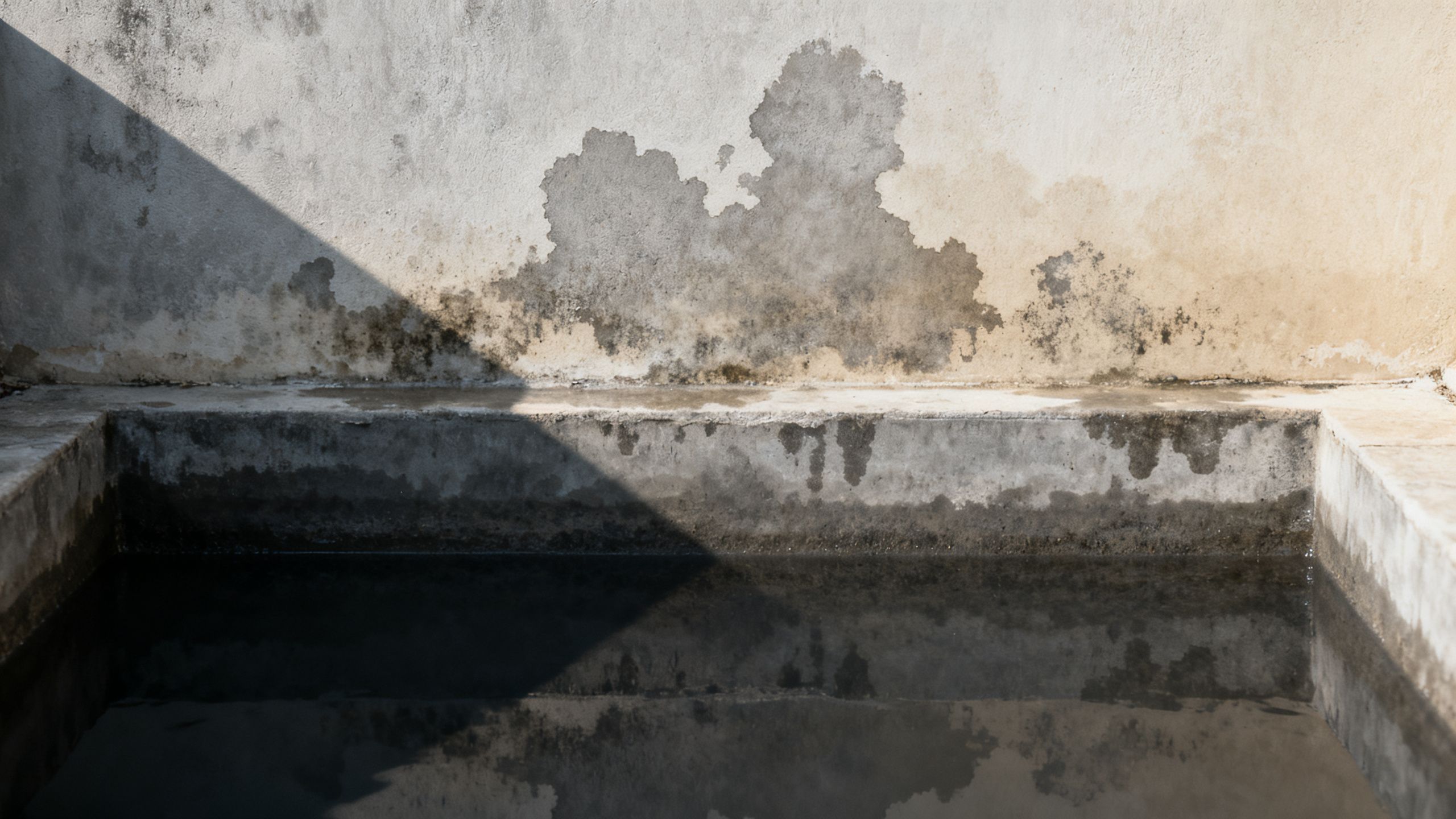
On a Breathable Solid Wall It Traps Moisture Inside
Many pre-1920 properties in Bristol feature solid brick or stone walls that function using breathability. If you seal the internal face with an impermeable barrier, the moisture has no escape route. This leads to masonry decay and forces water through joints into other parts of the home. For more context on why substrate health is vital, see the Property Care Association guidance on basement waterproofing and diagnostic risks.
Most “Damp” Isn’t Groundwater Ingress
Condensation and penetrating damp are significantly more common than hydrostatic groundwater issues. By applying a cold, cementitious barrier to an absorbent wall, you lower the surface temperature, making it a magnets for condensation. Always consider the substrate condition—see our notes on Venetian Plaster Cost Bristol regarding why flat, stable bases are required for any finish.
Tanking Is a Substantial, Billable Job
There is a financial incentive for companies to suggest expensive tanking over simple exterior maintenance. Repairs to gutters or pointing are rarely as lucrative as a full tanking contract, leading to a common industry bias toward over-specification.

When Tanking Slurry IS the Right Solution
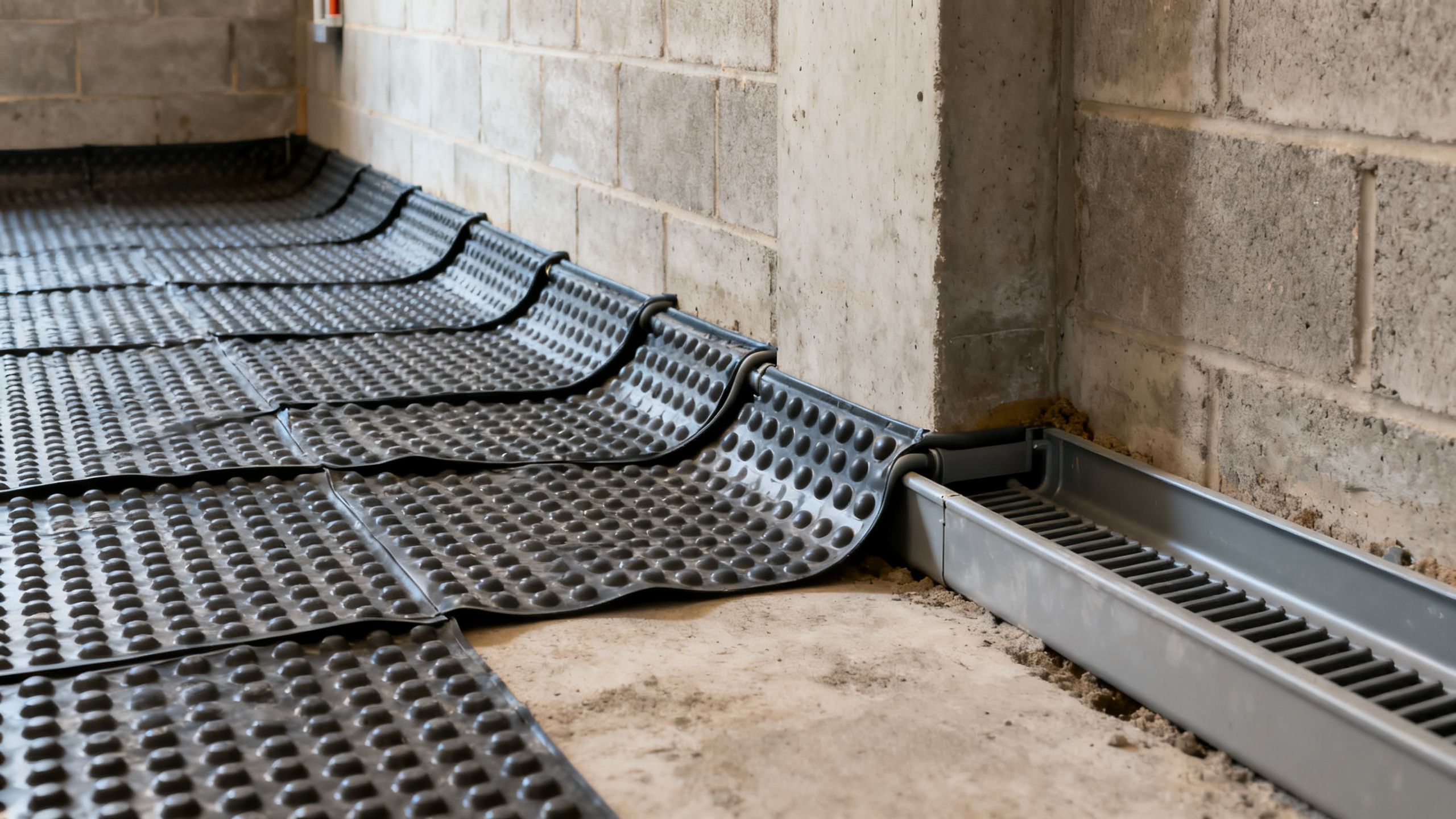
A below-ground basement or cellar being converted to a habitable space is the primary candidate for tanking. In these cases, where the structure faces genuine hydrostatic pressure against exterior soil, tanking—often coupled with a cavity drainage membrane—is the gold standard. We specify these systems at Gents Venetian Plastering & Rendering only when the engineering necessity justifies the cost, prioritizing long-term structural integrity over quick fixes.
How to Work Out What’s Actually Causing Your Damp
Identify if the wall is below ground. Anything above ground should rarely be tanked.
Observe the seasonality. Does it worsen with rain? (Look at gutters/pointing) Or with cold, wet winters? (Look at condensation/ventilation).
Check common external culprits: broken downpipes, blocked gullies, and failed pointing.
Seek an independent diagnosis. If they sell the product they recommend, get a second opinion. Contact us for honest damp assessments in Bristol and Bath.
What Fixing the Real Cause Costs vs Tanking
Cause | Actual fix | Typical cost | Is tanking the answer? |
|---|---|---|---|
External defect | Repointing/Gutter repair | £100–£800 | No |
Surface issue | Improved ventilation/PIV | £400–£1,000 | No |
Below-ground ingress | Engineered Tanking/Membrane | £3,000–£8,000+ | Yes, if specified |
Rising damp appearance | Systemic drainage/Maintenance | £2,000–£6,000+ | Rare |
FAQ
Does tanking slurry stop damp? No, it contains water pressure but doesn’t remove the moisture source.
When do I need tanking slurry? Only when managing hydrostatic pressure on a below-ground wall conversion.
Can tanking slurry make damp worse? Yes, by increasing condensation and forcing water into neighbouring structures.
Can you tank a solid wall? It is rarely recommended on historic, breathable solid walls as it prevents evaporation.
Is tanking slurry good for rising damp? There is zero evidence it “cures” rising damp; it only covers the symptoms.
How long does tanking slurry last? When applied to the wrong wall, it can fail within months as pressure builds behind it.
Do I need tanking or a cavity drainage membrane? For habitable living spaces below ground, a membrane system is almost always superior to slurry alone.
How much does it cost to tank a cellar? Professional, properly engineered systems for a cellar typically range from £3,000 to £8,000+ depending on the scope of the waterproofing requirement.