
Microcement is a thin, seamless, hard-wearing cement-based coating applied by hand over existing surfaces—floors, walls and worktops, including in bathrooms and showers—to create a smooth, contemporary, joint-free finish around 2–3mm thick. It can often be installed without ripping out what is already there, provided the surface underneath is sound and suitable.

What is microcement?
Microcement, sometimes written as micro-cement, is a cement- and polymer-based coating applied in thin layers over a prepared substrate. That substrate might be concrete, screed, plasterboard or existing tiles. The system is then sealed to help protect the finished surface from water, staining and everyday wear.
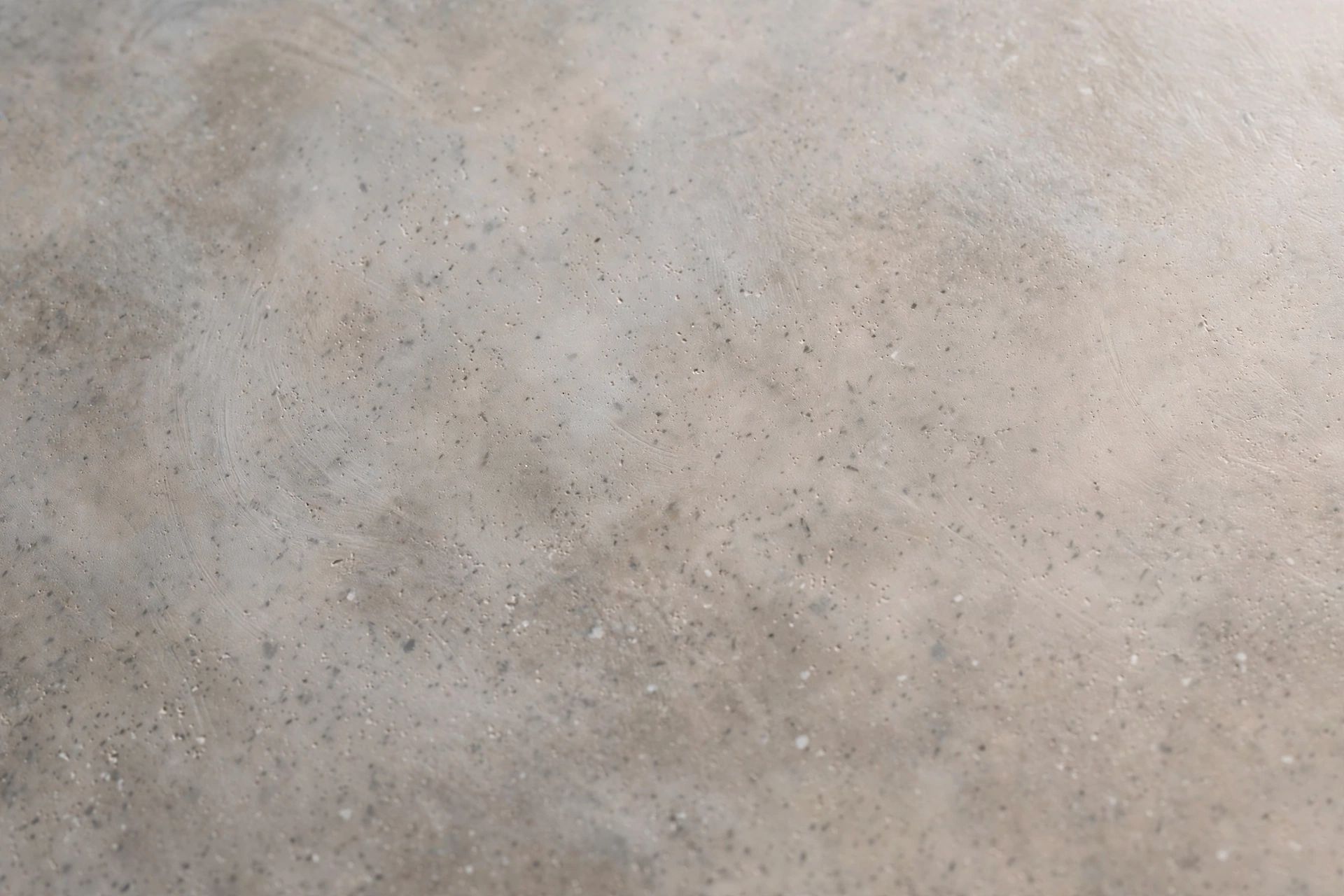
The finished coating is typically about 2–3mm thick. Unlike tiles, it has no grout lines, giving it a continuous appearance across floors, walls, worktops and wet-room surfaces. It comes in a wide range of colours, with finishes that can look softly textured, matt or more polished.
“Water-resistant once sealed” is more accurate than assuming the material alone makes a room waterproof. In a shower or wet room, the substrate, waterproofing, junctions and detailing all need to suit the use. Microcement sits alongside other decorative finishes we work with, such as Venetian polished plaster, though each has its own look, uses and specification.
Gents Venetian Plastering & Rendering is a Bristol plastering and polished-plaster specialist, with over 50 years of combined experience in plastering and fine finishes. That background is useful when discussing surface preparation and decorative finishes, but microcement still needs a system-specific installer and specification.
The benefits
A seamless appearance: With no grout joints, microcement creates a continuous finish across a surface. This can suit contemporary bathrooms and kitchens, and avoids the grid of grout lines that tiles create.
Very little added thickness: At around 2–3mm, it can add less height than many replacement finishes. That can help where door clearances, thresholds or existing levels make a thicker build-up awkward, although transitions still need careful planning.
Often applied over existing surfaces: If the tiles or other substrate are firmly bonded, flat and suitable, they may be prepared and coated rather than removed. This can reduce demolition, but it does not mean every old surface is a safe base.
Hard-wearing and water-resistant when correctly specified and sealed: A properly installed system can be suitable for everyday use. Its performance depends on the chosen products, the preparation, the sealer and how the surface is maintained; it is not maintenance-free or immune to damage.
Flexible across a room: The same finish can be used on floors, walls, worktops and some wet-room surfaces. Colour and texture options make it possible to create a restrained neutral scheme or a more distinctive feature.

The honest considerations
Microcement is application-sensitive. The finished appearance depends heavily on preparation, the condition of the substrate, the products used and the installer’s control of each layer. Poor preparation or inconsistent application can lead to visible variation in texture or colour. Samples are useful, but the final appearance can vary across a larger area and under different lighting.
It can develop hairline cracks if the substrate moves, or if joints and transitions are not treated appropriately. A coating this thin does not stabilise a moving floor or repair a failing tiled surface underneath. An installer should assess the base, identify movement or moisture concerns and explain how those will be addressed before coating begins.
The sealer is part of the system, not an optional finishing touch. It needs to be applied correctly and may require periodic maintenance or re-sealing, depending on the product, traffic and cleaning routine. Ask for the manufacturer’s care guidance and clarify what the installer’s warranty covers; performance and guarantee terms are product-specific.
This is specialist, labour-intensive work rather than a straightforward DIY coating job. Getting an even finish around corners, drains, edges and fittings takes skill, and correcting mistakes can be difficult. If moisture is present, diagnose its source before covering the surface; the same basic caution applies in bathrooms — see our guide to waterproof plaster for bathrooms. Coating over an unresolved moisture problem is not a repair.
Microcement vs tiles
Both can work well in kitchens and bathrooms. Microcement prioritises a continuous, modern finish; tiles offer a familiar, long-established surface with individual pieces that can be replaced.
Factor | Microcement | Tiles |
|---|---|---|
Seams and grout | Joint-free appearance, with no grout lines to clean; edges and junctions still need detailing | Grout lines need cleaning and may need renewal over time |
Thickness | Typically around 2–3mm, before any preparation or levelling layers | Build-up varies with tile, adhesive and substrate; often thicker overall |
Over an existing surface | May go over sound, suitable tiles or another prepared substrate | Can sometimes be laid over existing tiles if the base and levels are suitable, but removal is also common |
Repairs | Local repairs can be difficult to blend invisibly; damage may need specialist attention | Individual tiles can often be replaced, though matching the original tile and grout can be difficult |
Look | Continuous, smooth or softly textured finish in a wide colour range | Wide choice of sizes, patterns, colours and surface textures |
Cost range | Often a premium, labour-intensive finish; broadly around £100–£250+ per m², depending on scope and preparation | Broad range, from budget-friendly options to premium tiles; fitting and preparation affect the total |
Maintenance | Sealer needs appropriate cleaning and may need periodic maintenance or renewal | Grout and sealant, where used, need care; tiles themselves vary in maintenance needs |
These are broad indicative ranges, not quotes or like-for-like installed prices. Small jobs, extensive preparation and specialist details can change the cost substantially.
Where microcement works best
Bathrooms and wet rooms: It can create a continuous look on walls and floors, including around a shower, if the specified system and waterproofing details are suitable for that use. Drains, corners, penetrations and transitions need particular attention. Ask which parts of the proposed system provide the waterproofing and what the maintenance requirements are.
Floors: Microcement can suit living spaces, kitchens and bathrooms where a contemporary, uninterrupted floor is wanted. The substrate needs to be stable and appropriately prepared. In areas exposed to dropped objects or heavy impact, check that the selected system is specified for the use and understand how damage can be repaired.
Feature walls and worktops: These can be good applications where the main aim is a continuous decorative surface. Worktops need a suitable product specification and sealing for spills, cleaning and everyday use; not every microcement system is intended for every surface.
Over existing tiles: This can avoid removing tiles when they are firmly fixed, dry, and suitable to receive the coating. Loose tiles, cracked grout, uneven surfaces or signs of moisture need proper assessment first. Covering a problem does not make it go away.
Be cautious where a substrate is moving, the floor is unstable, water ingress has not been resolved, or the surface will face heavy impact without a suitable specification. A thorough assessment should cover the substrate’s condition, preparation needs and any waterproofing or movement details before a price is agreed.
What microcement costs
As a broad UK guide, microcement installation can be around £100–£250+ per m². This is an indicative range rather than a fixed price: a small, detail-heavy bathroom may work out differently per square metre from a larger, straightforward floor, and a full written specification is needed for a meaningful comparison.
The main cost factors are:
Area and job size: Small areas can cost more per square metre because set-up and finishing work do not reduce in proportion to the size of the job.
Preparation: Removing loose material, levelling, repairing the base or treating joints can add labour and materials.
Surface and location: Floors, walls and worktops have different preparation and finishing demands. Stairs, corners, drains and tight access can add complexity.
Number of layers and system: The specified coats, reinforcement and sealer depend on the substrate and intended use.
Access and fittings: Working around sanitaryware, kitchen units, thresholds and existing fixtures can take additional time.
Microcement is usually a premium, labour-intensive finish, not simply a low-cost alternative to tiles. For product-specific guidance, check the technical information from the microcement manufacturer Topciment and ask an installer to explain how the proposed system suits your substrate and room.
Is microcement worth it?
Microcement can be worth considering if you want a seamless modern finish, particularly where a suitable existing surface can be coated instead of removed. Its thin profile and lack of grout lines are genuine advantages, and its use across walls, floors and worktops gives it a distinctive look.
It is less likely to suit a tight budget, an unstable or damp substrate, or someone who values straightforward replacement of individual pieces. The quality of the result depends on skilled application and careful preparation, and the sealer requires appropriate care. Before proceeding, have a specialist assess the substrate’s suitability, preparation requirements and any movement or moisture issues, then compare the full specified cost with tiling.
Frequently asked questions
What is microcement?
Microcement is a cement- and polymer-based coating applied in thin layers over a prepared surface and then sealed. At around 2–3mm thick, it creates a continuous finish for suitable floors, walls, worktops and wet-room areas.
Is microcement waterproof?
The coating is water-resistant when correctly sealed, but the entire installation must be designed for its location. In showers and wet rooms, suitable waterproofing, substrate preparation and detailed junctions matter; the sealer alone should not be treated as a fix for poor detailing or water ingress.
Can microcement go over tiles?
Often, provided the tiles are sound, stable, clean and suitable for preparation. Loose tiles, movement, unevenness or moisture may make them an unsuitable base. An installer should assess the tiles and explain any preparation before confirming the work.
Does microcement crack?
It can develop hairline cracks, particularly if the substrate moves or preparation is inadequate. It is a thin finish, not a structural repair, so movement and weak areas need to be investigated rather than simply covered.
How long does microcement last?
There is no single lifespan that applies to every installation. Durability depends on the product system, substrate, quality of application, use and maintenance. Ask the manufacturer and installer what their stated performance or guarantee covers, and follow the recommended cleaning and re-sealing guidance.
Is microcement cheaper than tiles?
Not necessarily. Microcement is a specialist, labour-intensive finish and can be more expensive than some tile options, though avoiding removal may affect the overall project cost. Tiles span a much wider budget range, and the substrate preparation and fitting costs matter for both choices.
Is microcement good for bathroom floors?
It can be suitable when the system is specified for bathroom floors and installed over a stable, correctly prepared base. Ask about the surface finish, slip considerations, waterproofing details and care requirements; suitability depends on the particular product and room.
Can you DIY microcement?
It is generally not a suitable DIY project. The finish depends on careful preparation, consistent application and correct sealing, and errors can be difficult to disguise or repair. A specialist should assess the substrate and explain the preparation and maintenance needed before work starts.


