
Spray cork can be a genuinely good coating for the right wall: it’s breathable, flexible, insulating and relatively low-disruption. But it isn’t a miracle finish, and it can disappoint if it’s oversold, applied over the wrong substrate or used to hide damp.
So, is spray cork actually any good?
Yes, it can be. Spray cork is a thin, textured coating made with cork and a binder. Depending on the product and the condition of the wall, it can refresh tired render while adding a vapour-permeable layer that may help with thermal comfort and condensation.
That doesn’t make it the right answer for every Bristol home. An old solid-wall property with sound but tired render is a different proposition from a wall with active penetrating damp, loose render or major unevenness. The finish, preparation and expectations all matter.
Gents Venetian Plastering & Rendering is newly offering spray cork across Bristol. With more than 50 years of combined plastering and rendering experience, we can explain the considerations around coatings and wall preparation, but we won’t pretend to have a long record of spray cork installations. Learn more about our spray cork service in Bristol.
The genuine pros
It is breathable. Spray cork is generally designed to be vapour-permeable, allowing some water vapour to pass through the coating. That can be useful on older solid-wall homes, where choosing a compatible coating matters. Breathable does not mean waterproof against every source of moisture, nor does it make a damp wall dry.
It has some flexibility. A flexible coating can accommodate minor movement better than a rigid finish and may resist hairline cracking. It won’t bridge significant cracks or solve movement in the building; those need to be understood and dealt with first.
It can go over sound existing render. Where the render is firmly bonded and compatible, spray cork may be applied without removing it. That can avoid the noise, waste and disruption of hacking off a sound finish. It is not a way to make loose, hollow or badly failed render suitable without proper repair.
It can help with cold walls and condensation. Cork has insulating properties, and adding a coating can make a wall surface feel warmer. This may help reduce surface condensation in some circumstances. The effect depends on the wall, the product and the wider building; it is not a guaranteed cure for condensation or a substitute for dealing with leaks, ventilation or other causes.
It is water-resistant and comes in a range of colours. A correctly specified coating can offer protection from weather while providing different colour choices. Water-resistant is not the same as a fix for water getting through defective gutters, cracks or failed masonry.
It uses recycled cork and can be applied with less disruption than a full re-render. Cork coatings commonly use recycled cork, and retaining suitable existing render can mean less removal and waste. For homeowners wanting a surface refresh without a major strip-back, that can be appealing.
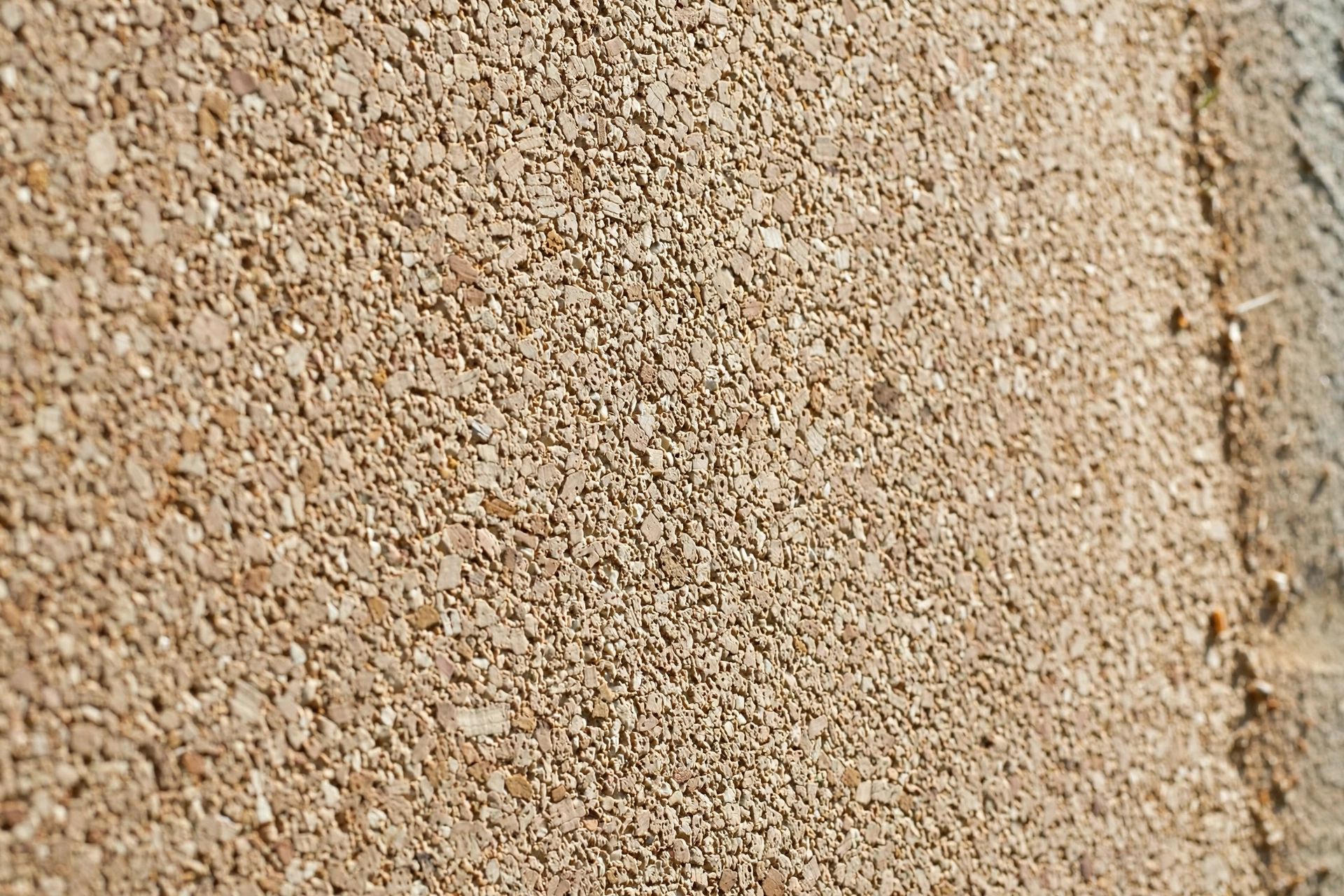
The honest cons and common problems
It is a relatively new finish in the UK. Spray cork has not been used here for as long as traditional render systems. That means there is a shorter local track record for judging very-long-term performance across different buildings and weather conditions. Manufacturer guidance can help, but it is not the same as decades of proven performance on your particular type of wall.
The result depends heavily on preparation and application. The wall needs to be assessed, cleaned and prepared as the product requires. Incorrect preparation, unsuitable primers, uneven spraying or the wrong number of coats can leave a patchy appearance or a coating that does not perform as intended. A textured finish can make inconsistencies especially noticeable in changing light.
It does not fix damp. Spray cork should not be used to cover rising damp, water ingress or persistent penetrating damp. Moisture may continue behind the coating, while the visible symptoms become harder to assess. The source needs to be identified first, and damp proofing addressed where needed. If a wall needs a breathable repair system, the right approach depends on the cause and construction—not simply on choosing a breathable product.
The substrate has to be sound and compatible. Loose render, crumbling surfaces, unstable paint or significant unevenness may need repair or removal before coating. Spray cork is relatively thin, so it is not a levelling coat for a badly failed wall.
It is a specialist job, priced accordingly. Spray application needs suitable equipment, product knowledge and careful control. It is not a sensible DIY shortcut for most homeowners. The material and skilled labour can make it more expensive than a basic finish, so it may not suit someone looking for the cheapest way to cover a wall.
You may not like the appearance. Spray cork has a textured, sometimes visibly “sprayed” look, particularly at close range. Colour and texture can soften the appearance, but it will not look like smooth render or a flat painted wall. Ask to see a representative sample before deciding.
Cut-price or inexperienced application carries risk. A lower quote may reflect differences in preparation, materials, coat specification or time spent spraying. That does not mean every lower quote is poor, but it is worth checking exactly what is included rather than comparing prices alone.
For damp concerns, establish the cause before choosing a coating. A breathable finish can be part of an appropriate repair, but it cannot replace diagnosis and suitable remedial work.
Spray cork pros vs cons at a glance
Spray cork offers practical benefits on suitable walls, but those benefits depend on the substrate, specification and quality of the application.
| Pros | Cons / things to watch |
|---|---|
| Vapour-permeable and potentially suitable for some solid-wall homes | Breathable does not mean it cures damp or stops water ingress |
| Flexible, which may help resist hairline cracking | Not a solution for significant cracks or structural movement |
| Can coat sound existing render without removing it | Unsound or uneven render may need repair or removal first |
| May improve the feel of cold walls and help with surface condensation | The result varies; it is not a guaranteed insulation or condensation cure |
| Recycled cork, colour options and less disruption than a full re-render | Textured appearance and specialist installation may not suit every budget or taste |
| Water-resistant when correctly specified and applied | Performance depends heavily on preparation, product and application quality |
When spray cork is a good choice — and when it isn't
Spray cork is worth considering where the existing render is tired but sound and you want a textured refresh without stripping it off. It may also suit a cold, condensation-prone wall where additional insulation and a low-disruption exterior treatment are priorities, provided the moisture issue has been assessed and the product is suitable for the wall.
It can be a useful option for exposed or coastal elevations that need a weather-resistant coating, or for surfaces prone to minor hairline cracking. These are reasons to investigate it—not guarantees that it will outperform other systems on every building.
It is usually the wrong call where there is active rising or penetrating damp, where the render has failed and needs levelling, or where a wall has substantial cracks or movement. It may also be a poor fit if the main aim is the lowest possible cost, if you want a smooth finish, or if you prefer a system with a much longer established track record in the UK.
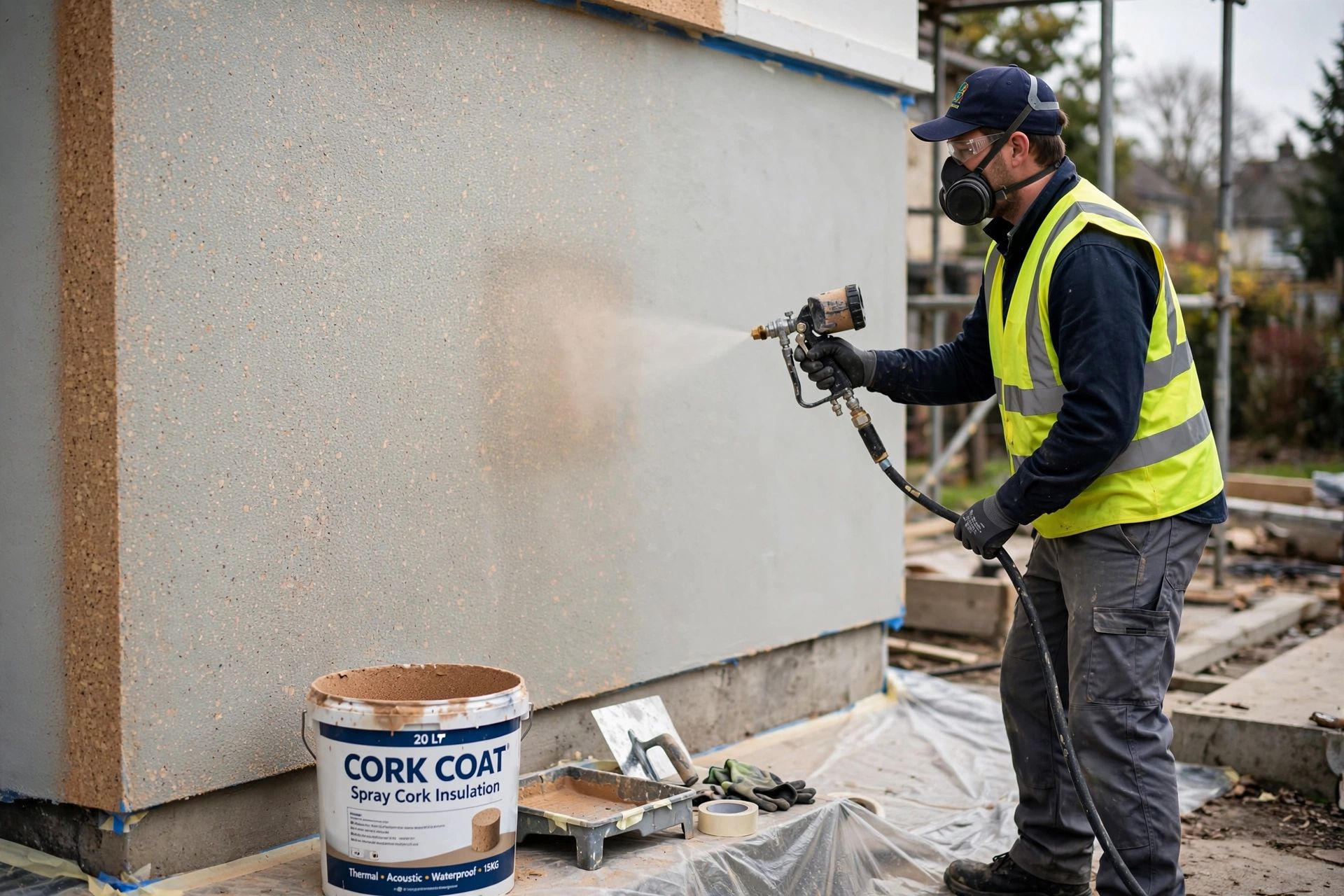
Why the installer makes or breaks it
With spray cork, the product alone does not determine the result. The applicator needs to check what the wall is made of, whether existing coatings and render are sound, and whether moisture or defects need attention before work starts. Preparation should follow the product’s requirements rather than being treated as an optional extra.
The number of coats and the consistency of the spray technique also matter. Uneven coverage, poor control around edges and details, or rushed work can produce a visibly patchy finish. Ask the installer what preparation is included, how they will handle cracks and repairs, which product system they propose, how many coats are specified and what the warranty actually covers. Manufacturer guarantees, where offered, apply under their stated conditions; they should not be treated as a promise that every wall is suitable.
A specialist should assess substrate suitability and preparation needs before quoting, not simply price the square metres from a photograph. For an example of manufacturer information on cork coatings, consult CorkSol’s product and technical guidance.
How it compares to render
Compared with traditional render, spray cork is thinner, more flexible, breathable and often lower-disruption on sound existing render; traditional render is thicker and has a much longer, more widely proven track record. Neither is automatically the better choice—the wall condition, finish you want and system specification should guide the decision.
Frequently asked questions
Is spray cork worth the money?
It can be worth the cost if the wall is suitable and you value a breathable, textured refresh with less disruption than removing sound render. It may not be good value if the substrate needs extensive repair, you want the cheapest option or a smooth finish. Compare the full preparation and coating specification, not just the headline price. Our Bristol spray cork cost guide explains the factors that affect pricing.
What are the disadvantages of spray cork?
The main drawbacks are its shorter UK track record, specialist cost, textured appearance and reliance on careful preparation and application. It also needs a sound, compatible substrate and must not be used to conceal active damp. Those limitations can outweigh its benefits on the wrong wall.
Does spray cork last?
Its service life depends on the product, the wall, exposure, preparation and application quality. Manufacturer information may state expected performance or guarantee terms, but those figures are product-specific and conditional. Because spray cork has a shorter history in the UK than traditional render, very-long-term local performance is still being established.
Can spray cork go wrong or fail?
Yes. It can look patchy if sprayed unevenly, or perform poorly if the surface was unsuitable or inadequately prepared. Moisture problems concealed beneath a coating can also persist. A proper assessment, a clear written specification and following the manufacturer’s application instructions reduce avoidable risks, but no coating makes an unsuitable wall suitable by itself.
Is spray cork better than render?
Not in every case. Spray cork is thinner, flexible and can be applied over sound existing render with less disruption. Traditional render is thicker and more widely proven. The condition of the wall and the finish you want matter more than a blanket claim that one is always better.
Is spray cork just a gimmick?
No—it has real properties, including cork content, flexibility and vapour permeability. But those features do not make it a cure-all. It is a specialist coating with genuine uses and real limitations, so claims that it solves every damp, insulation or cracking problem deserve caution.
Does spray cork add value to a home?
There is no reliable guarantee that it will increase a home’s value. A suitable, well-finished exterior may improve its appearance and comfort, but buyers may have different preferences about a textured coating. Sound repairs and clear information about the product and installation are more useful than assuming the coating itself adds a specific amount of value.


